
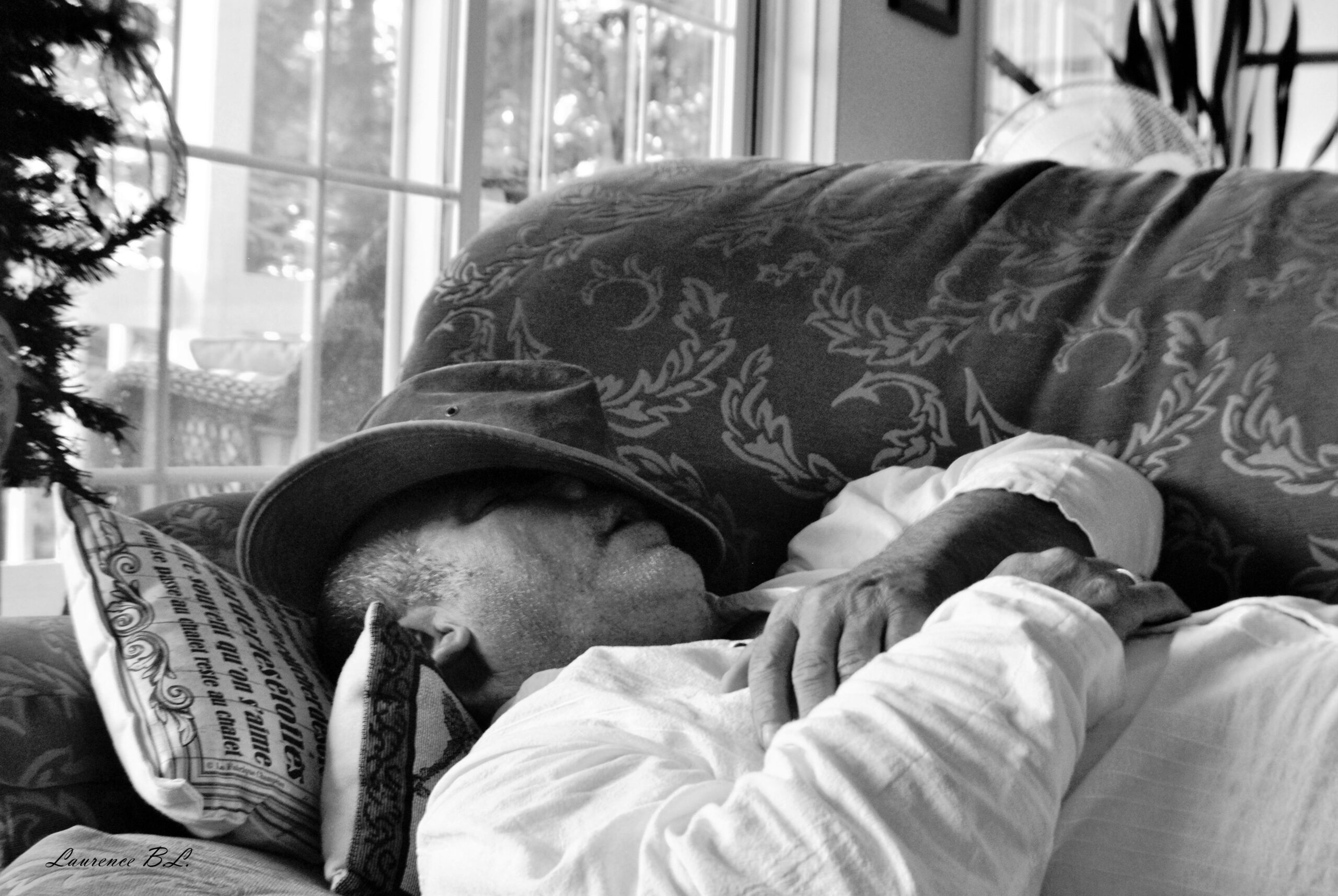
When you’re younger, Daylight Saving Time often feels like no big deal. You lose an hour of sleep in the spring or gain one in the fall, feel a little off for a day or two, and move on with life. Unfortunately, for seniors, it’s often a different story. Even a one-hour time shift can throw off routines and energy levels, leaving your aging loved one feeling tired, confused, or simply out of sync with their own lives.
Continue reading our article to learn how daylight savings affects seniors and a few simple adjustments that can help your loved ones a great deal.
Why Are Seniors More Sensitive to Time Changes?
Changes in Circadian Rhythms
Before diving into how daylight savings affects seniors, you should understand the basics: the internal clock that controls when we feel awake and sleepy, known as the circadian rhythm. This clock is greatly influenced by sunlight.
But, as your loved ones age, this clock becomes less responsive to changes in light and darkness. So, when there’s a shift, as little as one hour, it’ll become harder for their body to adjust.
Existing Sleep Challenges
The other reason why your beloved older adults are especially prone to time changes is because of the existing sleep challenges they may already face, like insomnia, frequent nighttime waking, and naturally earlier bedtimes and wake-up times. Even a seemingly insignificant one-hour time change can result in disruption of the normal sleep routine.
Medical Conditions Can Increase the Impact
Many also suffer medical conditions that can further complicate how daylight savings affects seniors. If your loved one is, unfortunately, among those who deal with conditions like dementia, Alzheimer’s, Parkinson’s, or other chronic conditions, they may have trouble in the form of confusion, disrupted sleep, or temporarily worsened symptoms with even a one-hour time change.

Common Effects of Daylight Saving Time on Seniors
Sleep Disruptions
Though a one-hour shift may not seem like a big deal, it can throw off a senior’s natural sleep schedule by making it harder to fall asleep at the usual bedtime and wake up more often during the night. Even after a full night’s rest, your loved one may still feel exhausted during the day. While this may be temporary, the effect may still be interfering with daily activities and overall well-being.
Increased Confusion or Disorientation
Another way how daylight savings affects seniors, especially those with dementia or other cognitive decline, is confusion or disorientation. Such conditions are extremely dependent on typical daily routines. So, even the smallest change can be uncomfortable or, worse, lead to disorientation that may change mood or behavior.
Changes in Mood
It’s only natural to feel irritable, anxious, or simply “off” when someone, your beloved older adults included, is sleep-deprived. When your loved ones don’t get enough quality sleep, they may have a harder time regulating their emotions, making them more likely to become frustrated, overwhelmed, or less interested in their usual activities.
Increased Fall Risk
How daylight savings affects seniors extends far beyond cognition and mood. In fact, it also affects balance and awareness. After a poor night’s sleep stemming from the time change, they can be less alert and a little less steady on their feet. Ultimately, this increases the risk of slips and falls when walking around the house or venturing outside.

Tips to Help Seniors Adjust to Daylight Saving Time
Gradually Shift Bedtimes Before the Time Change
Now that you understand how daylight savings affects seniors, the easiest thing you can do to help make the transition smoother is to move bedtime and wake-up time by 10 to 15 minutes each day for several days leading up to the transition. By doing so, the body’s internal clock has the chance to adapt, hence reducing sleep disruptions.
Maintain Consistent Meal Times
Maintaining the same breakfast, lunch, and dinner times is just as important as the sleep itself. Regular meal times act as cues for the body when it’s time to be awake, eat, and rest. By keeping the same schedule, your beloved seniors will find it easier to adjust to the time change even though the clock has shifted.
Encourage Natural Light Exposure
There are lots of benefits of going outdoors; one of them is regulating sleep cycles. Morning light is the strongest signal to the body clock, telling it to feel awake during the day and sleepy when there’s none. So, encourage your loved one to get their daily dose of natural light from a walk outside or simply sit by a sunny window every day.
Stay Physically Active During the Day
When your loved one gets older, that doesn’t mean they should stop being active. Instead, it’s all the more reason to encourage regular physical activity according to their remaining abilities. Even light activities, like walking, stretching, or gardening, can help promote better sleep and make it easier for the body to adjust to any time change.
Limit Late-Day Caffeine and Screen Time
The general rule is simple: avoid anything that could make it harder to fall asleep. Hence, limit caffeinated drinks in the afternoon, or better yet, avoid them altogether. Another way to avoid the impact of daylight saving time on seniors is also to avoid blue light from gadgets like phones, tablets, and TVs, which can interfere with melatonin production.

The Role of Home Care During Daylight Saving Time
Having someone dependable can help a great deal in maintaining routines and easing the transition to time change in your loved ones’ day-to-day life. Professional home care service, like one provided by our team at Sunny Days, can help keep daily schedules consistent by serving meals at regular times, encouraging healthy sleep habits, and assisting with light physical activity.
While doing so, our professional caregiver will monitor any signs of fatigue, confusion, or mood changes, to make sure your loved ones remain safe and comfortable throughout the adjustment period. If the transition feels tough, we’ll provide timely support, companionship, and reassurance to help your loved one adjust.
Frequently Asked Questions About Daylight Savings and Seniors
How does daylight savings affect seniors?
Time changes can disrupt sleep, routines, mood, and energy levels.
Why is daylight saving time difficult for older adults?
Aging can make it harder for the body to adjust to changes in sleep and wake schedules.
Can daylight saving time affect seniors with dementia?
Yes. Time changes may increase confusion, anxiety, and disruptions to established routines.
How long does it take seniors to adjust to daylight savings?
Adjustment times vary, but many seniors need several days to two weeks.
What can caregivers do to help seniors adjust?
Maintain routines, encourage sunlight exposure, monitor sleep patterns, and provide support.
Can home care help seniors during daylight saving time changes?
Yes. Caregivers can help maintain routines, provide reminders, and support seniors through schedule changes.
End Note
Even a small change in time can feel like a big change, especially if your loved ones are already having trouble sleeping or have other cognitive conditions. While changes are inevitable, simple habits like keeping a regular routine, getting enough sunlight, and staying active can help make the transition smoother. And the right support is what your loved ones need during challenging times.
If you’re looking for dependable home care, reach out to the team at Sunny Days today.