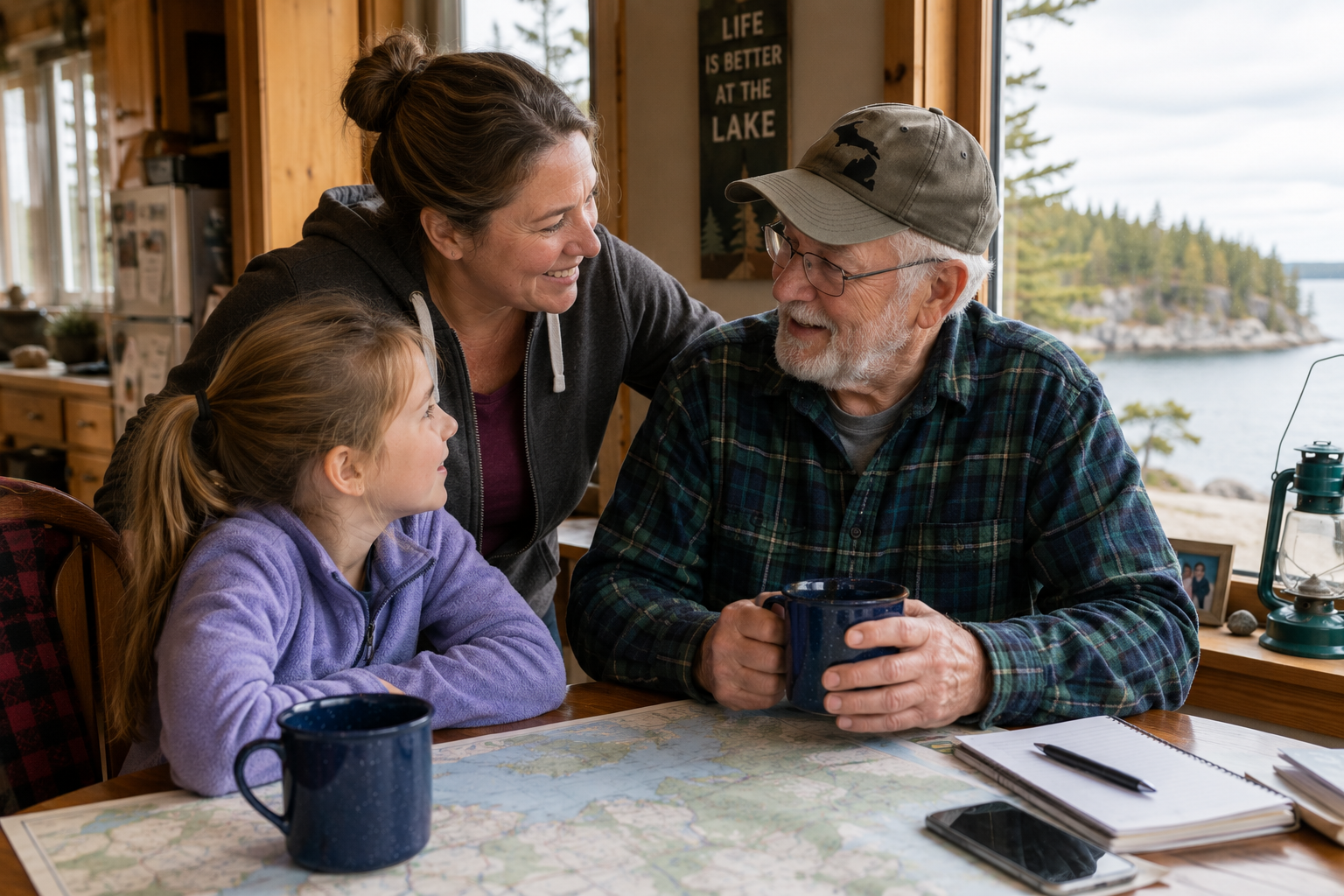
Maybe it hit you at a church fall festival, or on a drive along the river when the hillsides above Monongahela started turning. You looked over at your mom or dad and realized this autumn is different — that dementia has quietly changed what the season can be for them, and for you.
Here in the Mon Valley, where so many families have deep roots and long memories, that realization can feel especially heavy. But there’s a lot of comfort to be found in the very things that make this area home. This article is about the small, gentle ways you can bring the season to your loved one right now. If you want the fuller road map for the journey ahead, our complete guide to dementia and Alzheimer’s care is a good place to start.
The season your parent still remembers
One of the kindest truths about dementia is that emotional and sensory memories often outlast the factual ones. Your dad may not recall what day it is, but the smell of a pot of stuffed cabbage or the sound of a hymn he sang for fifty years can still reach him. In towns like Charleroi, Belle Vernon, and Monessen — where church suppers, ethnic food, and river traditions run deep — the season gives you a lot to work with.
A gentle warning about the late-day hours
As the days get shorter along the Monongahela, many people with dementia grow more restless or anxious in the late afternoon, a pattern known as sundowning. If you notice your parent getting agitated around dinnertime once the clocks fall back, planning a calm, familiar activity for that window can steady the whole evening.
Fall activities that fit the way Mon Valley families live
The National Institute on Aging encourages caregivers to meet a loved one where they are today — choosing activities that match their current abilities and watching for enjoyment rather than a perfect result (their tips are here). Here are ideas that feel right at home in this area.
In the kitchen and around the house
- Cooking or baking a family recipe together — even just stirring the pot or rolling dough brings back a lifetime of autumns
- Playing the music or hymns your parent grew up with while you tidy or decorate
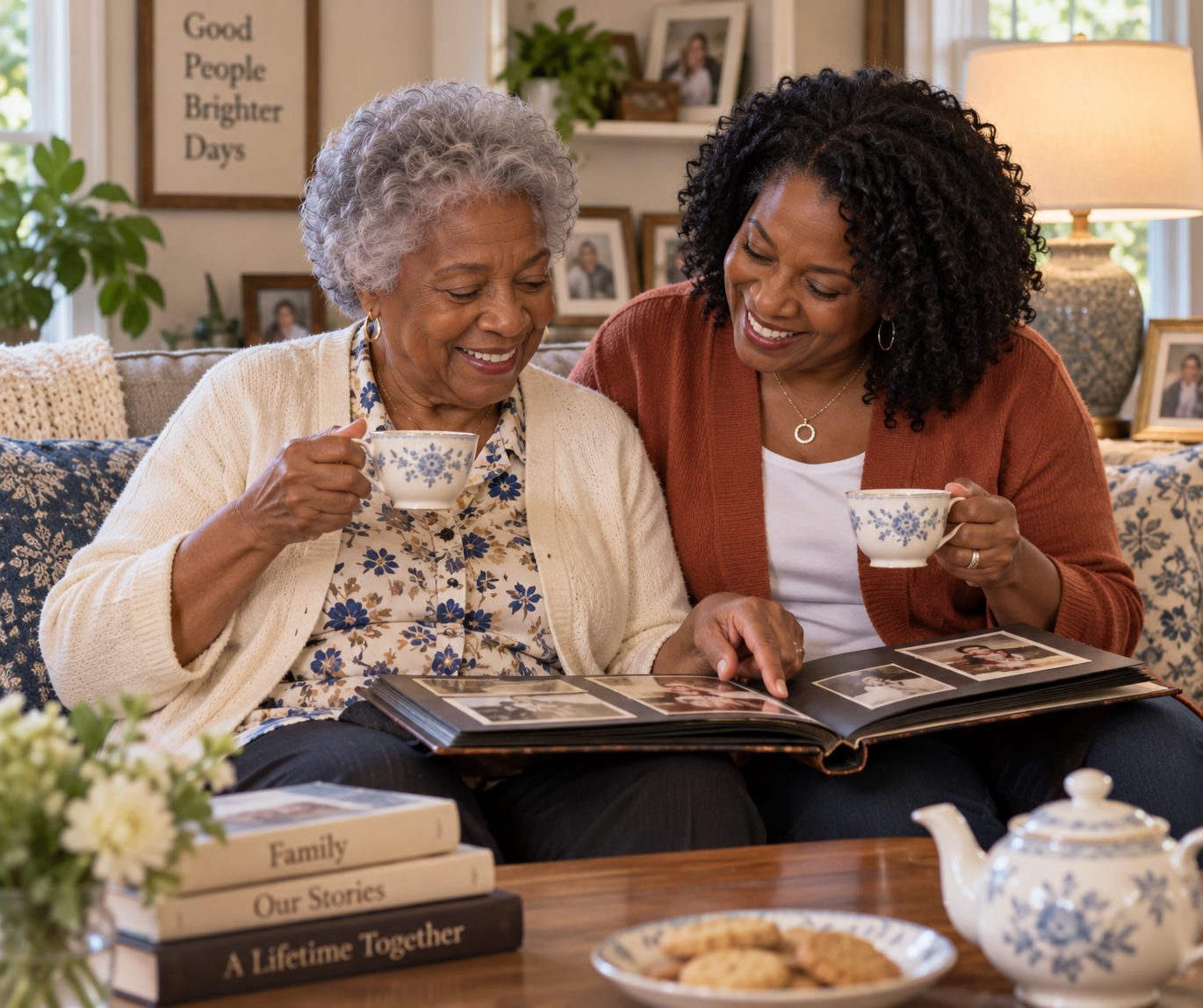
- Looking through photos from past holidays, weddings, and church gatherings
- Simple, purposeful tasks like folding warm laundry or sorting a basket of gourds and leaves
Getting out in the fresh air
A short, unhurried drive to see the color along the river valley, a slow walk in a familiar park, or a few minutes on the porch with a warm drink and a blanket can do a world of good. Keep outings brief and go when it’s quiet. If your parent finds comfort in faith, a peaceful visit to a familiar church during off-hours can be deeply soothing, too.
Let the community come to them
Mon Valley folks look out for one another, and that’s a gift when someone has dementia. A neighbor dropping off soup, a grandchild raking the yard, or an old friend stopping in for coffee keeps your parent connected without asking them to keep up. Company matters, even when conversation gets harder.
Let familiar traditions carry the day
Some of the most meaningful activities are the ones your family has always done. In the Mon Valley, fall has long meant church festivals, big pots of halupki and pierogi, and kitchens full of relatives — and those traditions can still reach your parent when newer things don’t. Let your mom help roll dough or stir a pot of something she’s made a thousand times. Put on the polka or the hymns that filled the house on Sundays. Even just sitting together while a familiar recipe simmers can bring a deep sense of calm. You’re not asking your parent to learn anything; you’re wrapping them in the rhythms they’ve known their whole life, and that familiarity is one of the greatest comforts you can offer.
How to tell it’s working
You’re not aiming for a finished project — you’re aiming for a calmer, more content parent. A softened expression, a familiar song hummed under their breath, a hand resting easy in yours: those are the wins. And if you sense frustration rising, gently switch to something else. There’s no failing here, only adjusting.
When the caregiving starts to wear you down
If you’re honest, some days the hardest part isn’t the activities — it’s everything you’re carrying to make them possible. That’s normal, and you’re far from alone. An estimated 6.7 million older Americans are living with Alzheimer’s today, a number the CDC expects to reach nearly 14 million by 2060 (CDC figures here). Nearly all of them are cared for by family members stretched just as thin as you feel. If you want to know you’re not imagining the strain, our post on the challenges of elderly parent care puts words to what so many families quietly live with.
You were never meant to do this by yourself. A consistent, caring helper can spend a few hours doing these fall activities with your parent — a family recipe, a drive along the river, a favorite hymn — while you rest or simply have an afternoon back. Our caregivers across the Mon Valley serve Monongahela, Charleroi, Belle Vernon, Monessen, McKeesport, and the neighboring towns, and we match caregivers to families with real care, because the same familiar face means everything to someone with dementia.
This fall can still hold warmth for your loved one — and a little support can help you feel it too.