

Choosing a caregiver for someone you love can feel personal, emotional, and sometimes overwhelming. Many senior home care providers offer similar services. But for families, the real concern is often deeper: Will this caregiver be patient? Will they treat my loved one with dignity? Will they notice when something feels off? Beyond day-to-day support, the empathy, reliability, and compassion a caregiver brings can make a meaningful difference for both seniors and their families. In this guide, we’ll explain what compassionate caregiving looks like, why it matters, and how to find care you can feel confident about in your community.
What Are Compassionate Caregivers?
Compassionate caregivers are care professionals who support seniors with daily needs while showing patience, empathy, respect, and emotional presence. They help older adults feel safe, valued, and understood at home.
These are individuals who provide physical care while centering their approach on building trust through active listening and being emotionally present. For example, rather than simply preparing a home-cooked meal, a compassionate caregiver may involve the senior client to help them feel included and in control of their own life. It can also be seen when a caregiver takes the time to truly listen and respond with genuine interest rather than rushing through the interaction.
Why Compassion Matters in Senior Home Care
Seniors Need More Than Physical Assistance
As people age, it is natural to experience major life changes, such as retirement, changes in mobility, or the loss of friends and loved ones. Emotional support becomes just as important as physical assistance. Without both, seniors may face loneliness, isolation, or depression, which can affect not only mental health but physical health too.
Home Care Is Personal by Nature
Home care takes place in the most personal setting: your loved one’s home. Unlike care facilities or hospitals, home is filled with memories and routines that bring comfort. Compassionate caregivers understand they are stepping into someone else’s space and life, so they approach each day with respect, empathy, and sensitivity to how your loved one prefers to live.
Compassion Helps Preserve Dignity
Many seniors eventually need help with deeply personal tasks, which can feel uncomfortable or embarrassing. Compassionate caregivers approach these moments with discretion and respect. Great care is not only about meeting needs, but it is also about helping your loved one feel respected, heard, and in control.
The Benefits of Compassionate Caregivers for Seniors
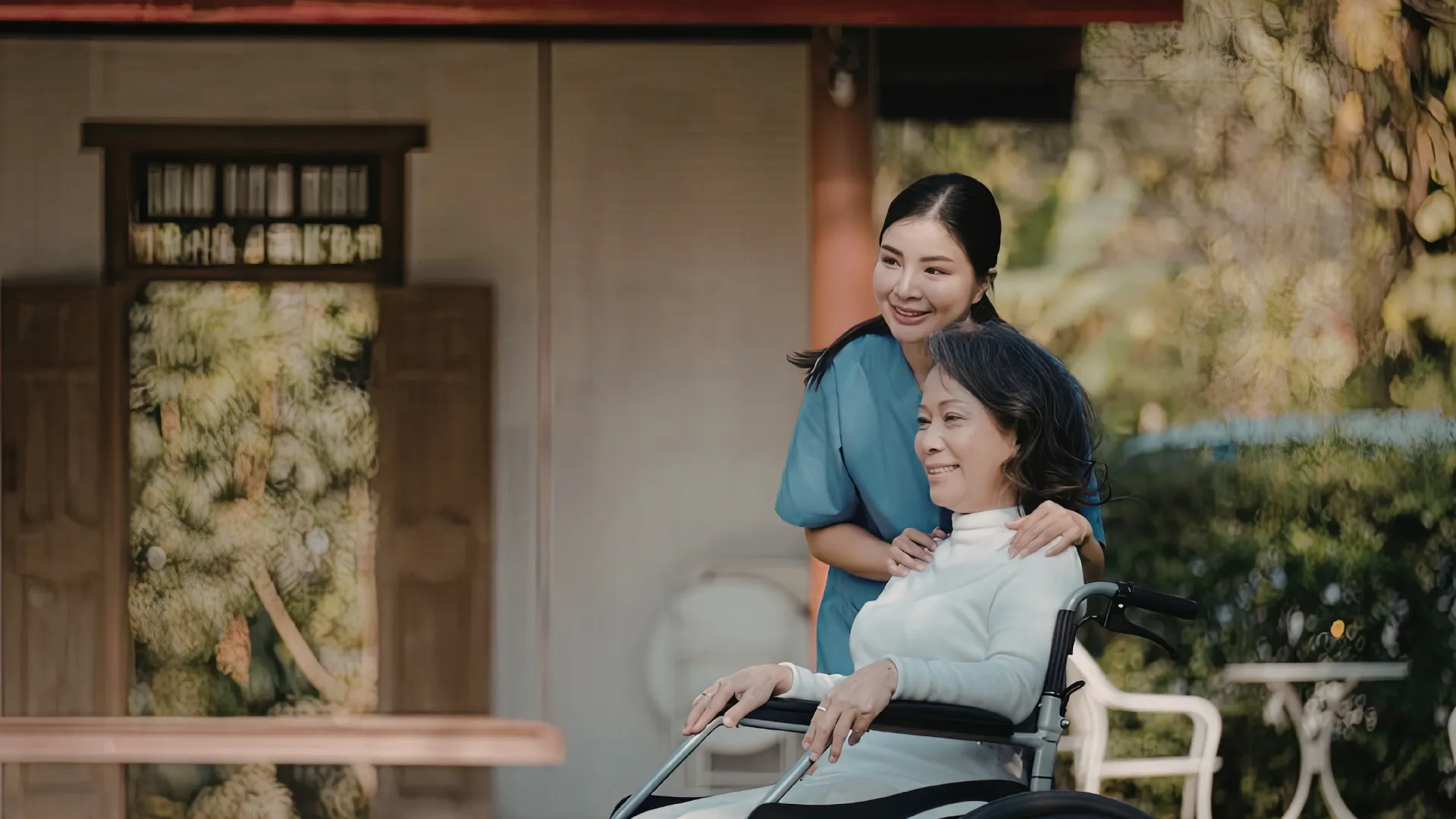
Greater Emotional Comfort
Simple, consistent interactions like daily conversation, shared laughter, and genuine companionship can ease feelings of loneliness, anxiety, and sadness. Over time, emotional connection can support overall wellness and help seniors feel more secure in their daily lives.
Improved Trust and Communication
Caregivers who listen and respond thoughtfully help build trust. This trust makes it easier for seniors to communicate changes in how they feel, both physically and emotionally, which helps families and care teams respond sooner and more effectively.
Better Quality of Life
When seniors receive care that supports their physical needs and their emotional and social well-being, life feels more meaningful. Care that honors a person’s routines, preferences, and personality helps each day feel more comfortable and fulfilling.
At Sunny Days In-Home Care, our compassionate caregivers are carefully selected to provide personalized support that helps seniors remain comfortable, independent, and connected in the place they call home.
More Consistency and Cooperation
When seniors feel understood and respected, they are more likely to participate in their own care and follow routines that keep them safe and healthy. Consistency is especially important for individuals who feel overwhelmed by change or are living with cognitive decline, such as dementia.
Support for Mental and Emotional Well-Being
Mental health and physical health are closely connected. Compassionate care provides more than tasks and schedules. It offers reassurance, encouragement, and companionship that help seniors feel supported and less alone.
How Compassionate Caregivers Help Families Too
Compassionate care supports the entire family, not just the person receiving care. Families searching for care at home across multiple states often share the same goal: finding someone dependable who treats their loved one with patience, dignity, and respect.
In many cases, a caregiver also reduces the emotional and logistical burden of caregiving. Family members can focus on spending quality time with their loved one instead of feeling overwhelmed by daily responsibilities. Peace of mind grows when you know someone is present who truly cares, not simply completing a checklist.
Key Qualities Families Should Look for in Compassionate Caregivers

When choosing care for your loved one, look for both professional skill and the personal qualities that shape everyday interactions.
- Empathy and kindness: A compassionate caregiver can put themselves in your loved one’s shoes. You will notice it in how they speak, listen, and respond with warmth and understanding.
- Patience: Great caregivers move at your loved one’s pace. Seniors may need extra time to complete tasks or communicate, and patience helps preserve dignity and comfort.
- Reliability and consistency: Trust is built through dependability. Showing up on time, following routines, and being steady matter.
- Respect for independence: Support should not feel like taking over. Compassionate caregivers encourage seniors to do what they can safely while stepping in when needed.
- Attentiveness: Small changes in mood, appetite, or behavior can signal larger issues. Strong caregivers pay attention and communicate concerns early.
- Strong communication skills: Care works best when seniors and families feel informed. Look for caregivers who communicate clearly, listen actively, and provide thoughtful updates.
How Sunny Days In-Home Care Approaches Compassionate Senior Care
At Sunny Days In-Home Care, compassionate care starts with listening. Every client has a different routine, personality, and comfort level, so we take time to understand what matters most to your loved one and to your family. Our goal is to create care that feels supportive, respectful, and consistent, not clinical or rushed.
We also understand that trust is earned over time. Families want to feel confident that their loved one is safe, comfortable, and treated with dignity in their own home. Our team emphasizes consistency and communication, so you always know what is happening and what to expect.
Most importantly, we focus on care that fits real life. That includes support with daily tasks, companionship, and encouragement for independence whenever possible, all delivered with patience and empathy.
- Caregiver matching: We work to match clients with caregivers who align with preferences, personality, and care needs.
- Consistency: Familiar routines and dependable care help seniors feel secure, especially during periods of change.
- Clear communication: Families receive timely updates and responsive support so no one feels left in the dark.
- Personalized care: Care plans are built around the client’s lifestyle, needs, and comfort level, not a one-size-fits-all checklist.
Find In-Home Care Near You With Sunny Days
Finding compassionate care should feel reassuring, not overwhelming. Sunny Days In-Home Care serves seniors at home across Pennsylvania, Ohio, West Virginia, and Michigan, with care plans built around each client’s needs, routines, and comfort.
If your family is exploring in-home care, contact our team to discuss next steps and learn what compassionate support can look like for your loved one.
FAQs
What are compassionate caregivers?
Compassionate caregivers are individuals who provide care with genuine empathy and understanding. Beyond assisting with physical needs, these caregivers take time to listen, build trust, and offer emotional support.
Why are compassionate caregivers important in senior home care?
They are important because they provide more than physical help. Compassionate caregivers also offer emotional support, comfort, and companionship that can lead to improved well-being and a better quality of life.
How can I find compassionate caregivers for a loved one?
Start by clearly understanding your loved one’s needs, both physical and emotional, so you know what kind of caregiver to look for. Next, look for trusted providers in your area, like Sunny Days In-Home Care, and review their services, caregiver approach, and reputation.
During interviews, pay close attention to soft skills like empathy, patience, and communication, not only experience. Trust your instincts, too. A good match should feel respectful, comfortable, and supportive for your loved one and your family.