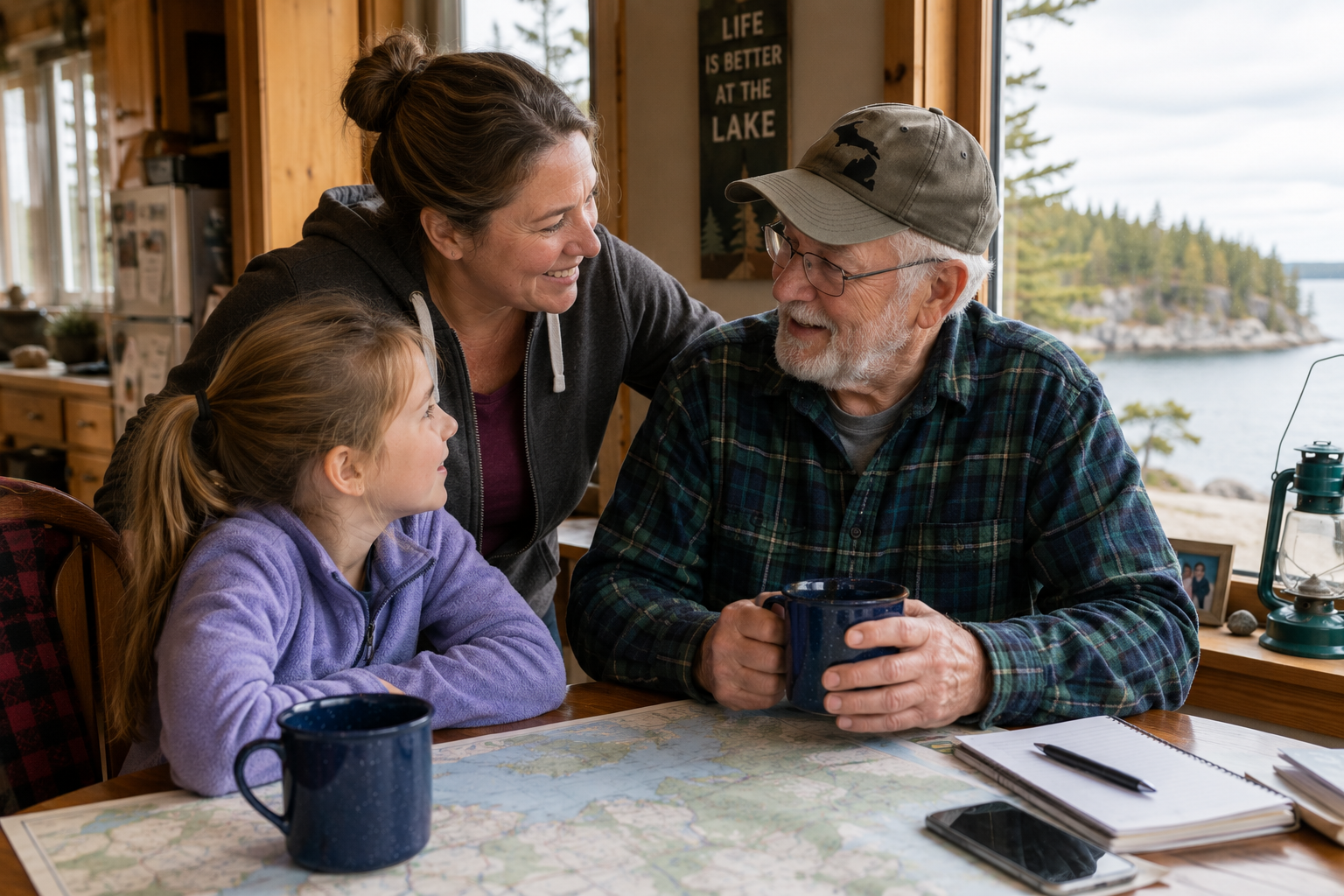
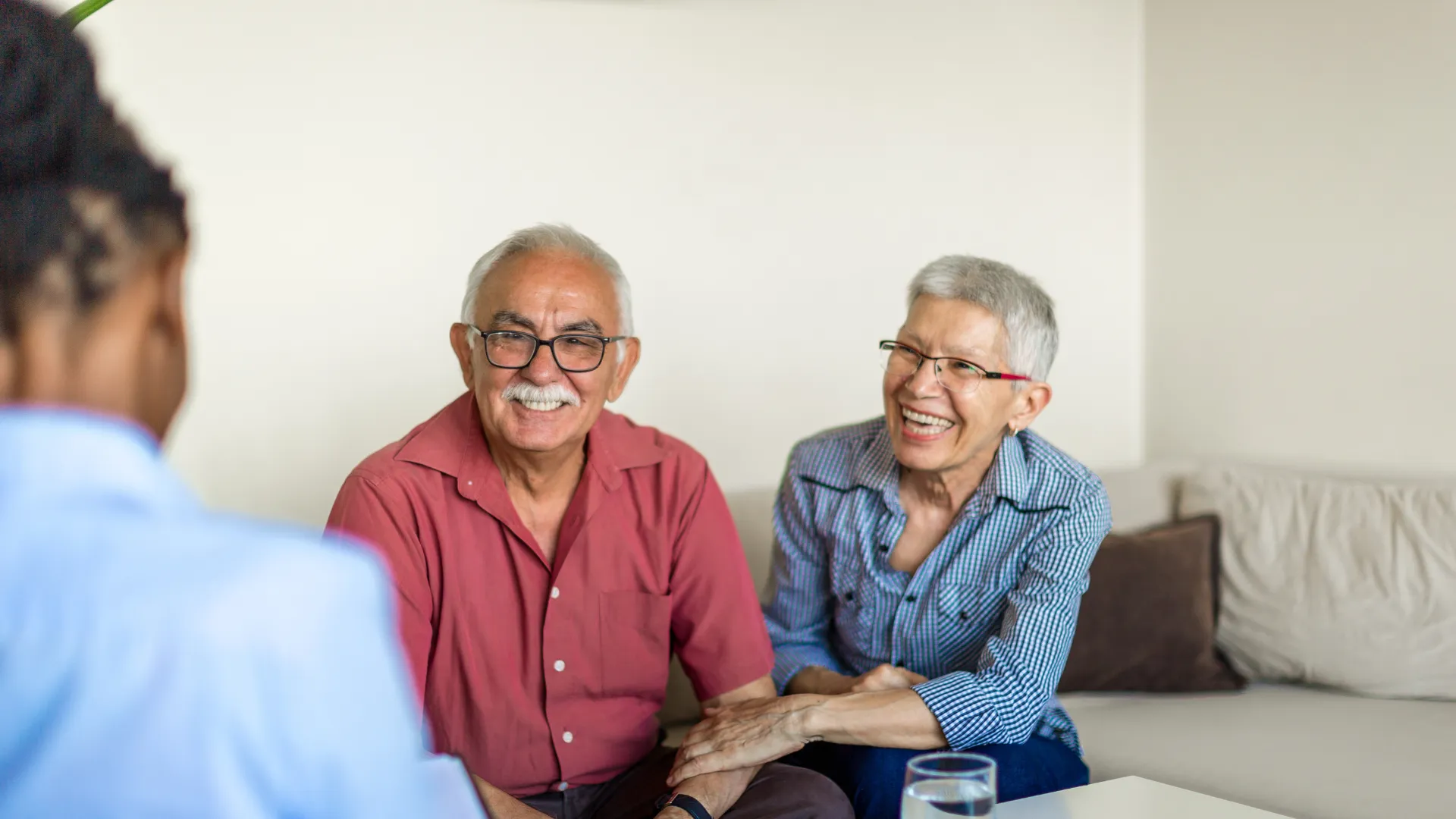
When a caregiver walks into your aging loved one’s home, the most obvious benefits are easy to see. The house stays tidy, meals are prepared, and personal care is taken care of. Yet, have you ever thought about what lies beneath the surface? Beyond physical assistance, equally important is mental health support for seniors, happening behind the scenes. A caregiver’s presence eases your loved one’s loneliness, reduces anxiety, provides emotional stability, and restores a sense of purpose.
Continue reading as we explore how in-home care can provide mental health support for seniors and why that support matters just as much.
Why Mental Health Support for Seniors Matters
In later years, aging seniors may experience major life changes—such as the loss of loved ones, retirement, medical conditions, or even the loss of independence. No doubt, these shifts can take a toll on emotional well-being, even for the strongest. Without the right mental health support for seniors, what starts as sadness and loneliness can turn into something more serious, like depression, and eventually impact physical health as well.
Common Mental Health Challenges Seniors Face
We get that everyone may experience different challenges depending on what life has thrown at them. However, there are some mental health challenges that tend to be more common among older adults–here are a few of them:
1. Depression
Who wouldn’t be sad if they lost someone dear or lost the ability to do something they loved most? No one. However, when that sadness lingers, accompanied by loss of interest in favorite activities, constant exhaustion, and changes in appetite or sleep, it may signal depression and should be taken seriously.
2. Anxiety
Worrying about health, safety, finances, or becoming a burden may eventually lead to anxiety if not properly addressed. Signs you should be aware of include looking constantly nervous or restless, feeling distracted, and experiencing muscle tension all the time. Without support, anxiety can interfere with daily functioning and overall peace of mind.
3. Loneliness and Social Isolation
Living far away from children or loved ones, or worse, losing a spouse, especially on top of mobility impairment that makes going out on social outings difficult, makes way for loneliness to creep in. You might notice your loved ones withdrawing from social activities or showing up to those outings with low energy.
4. Cognitive Changes
This one is often mistaken for a normal part of aging. While it’s true for occasional mild forgetfulness, constantly forgetting something more crucial, like medication or medical appointments, can be a sign of more serious cognitive changes. If your loved ones, unfortunately, have dementia, they are also more likely to experience confusion, personality changes, and mood swings, among others.

Signs a Senior May Need Mental Health Support
It’s not easy to tell when your loved one needs mental health support because they may downplay their feelings or even be defensive about it. That’s why, as someone who knows them by heart, you should pay close attention to even the subtlest changes in mood and behavior that seem out of character.
Ongoing mood changes surely shouldn’t be ignored. If your loved one seems down, irritable, worried all the time, or loses noticeable interest in hobbies or other fun activities for weeks, they signal more than just a “bad day”. Changes in daily habits, like sleeping and eating, whether it’s too much or too little, also raise concerns for depression, while neglecting personal care can also signal cognitive decline.
How In-Home Caregivers Provide Mental Health Support for Seniors
Companionship and Emotional Connection
If you thought mental health support always begins in a therapist’s office, you thought wrong. In-home caregivers can give nothing less than that through daily interaction, encouragement, and help create a stable environment where older adults feel safe, valued, and understood. Simply having someone there to talk with or share a meal can offer something traditional therapy may not always provide—consistent, day-to-day emotional presence.
Encouraging Daily Structure and Routine
Having a routine also gives your loved one something to look forward to each day. They can come in many forms–a morning walk, afternoon memory games, light exercise, and even a regular rest. The predictability provides comfort and reduces feelings of stress or confusion, which is especially beneficial for your loved one’s mental state and emotional well-being. When your loved ones feel a little low, caregivers can provide encouragement to keep going.
Supporting Cognitive Engagement
When there’s no one to give a gentle nudge to do mind exercises through reading, puzzles, or simply walking down memory lane, these activities can slowly fade from the daily routine. With steady support and doing the activities together, caregivers help bring those moments back in a way that feels easy and enjoyable—not forced. Instead of feeling like another thing on the to-do list, it becomes something they look forward to.
Promoting Physical Activity for Mental Well-Being
Mental health support for seniors doesn’t just stop at the mental aspect itself. In fact, it involves physical activity as well. By doing even the gentlest movement with the supervision of a caregiver, like stretching, short walks, or light chair exercises, the body will produce the ‘feel-good’ hormone that boosts your loved one’s mood and emotional well-being in a way that gives peace of mind to your family.
Emotional Support During Life Transitions
Helping Seniors Maintain a Sense of Purpose
Major life changes will inevitably occur and alter the daily routines of your aging loved ones. During these moments, your loved ones may feel many kinds of mixed emotions, including a sense of identity lost, as they wonder where they fit or what they still contribute. Through the actual physical help and a little encouragement, caregivers can help restore that sense of purpose, value, and accomplishment.

Supporting Seniors with Dementia or Cognitive Decline
Compassionate Communication Techniques
Memory changes, confusion, or shifts in behavior can be frustrating—not just for your loved one, but for family members as well. In-home caregivers are trained to respond calmly and thoughtfully, helping reduce stress while maintaining dignity and respect. Rather than correcting or confronting every memory lapse, caregivers focus on creating a safe, reassuring environment. Their goal isn’t to “fix” the moment, but to support the person through it with empathy and steadiness.
Reducing Stress and Behavioral Triggers
With dementia or Alzheimer’s, normal everyday scenes or objects can be triggering. Loud noises, unfamiliar faces, or even small changes in routine can lead to confusion, agitation, and even withdrawal. Professional caregivers specially trained in dealing with seniors with dementia know how to prevent those triggers by sticking to routines, speaking in a soothing tone, and avoiding overstimulation whenever possible. On top of that, they know how to redirect attention should a situation start to feel overwhelming.
How Sunny Days In-Home Care Supports Senior Mental Health
Mental health support for seniors is part of everyday care at Sunny Days In-Home Care. What we’ve just mentioned, we deliver. Our team will show up each day to offer your loved ones consistent companionship, gentle encouragement, and meaningful conversation, along with other physical care, to help them feel supported right at home. It’s the kind of steady, familiar presence that helps make each day feel a little lighter and a lot more manageable.
FAQs
What is mental health support for seniors?
Put simply, mental health support for seniors is the kind that helps them maintain their mental well-being through companionship, routine, and encouragement in daily life.
Can in-home caregivers help with senior depression or anxiety?
For sure. Through companionship and reassurance, caregivers can, at least, ease the feelings of depression. Besides, caregivers can help monitor mood changes, helping families catch concerns early and prevent more serious emotional or mental health challenges from developing.
How does companionship improve senior mental health?
Companionship reduces loneliness and gives seniors someone to talk to, laugh with, and share daily moments—boosting mood and confidence.
Is in-home care beneficial for seniors with dementia?
Absolutely. Familiar surroundings, routine, and calm communication help reduce confusion and stress for seniors with dementia.
How do I know if my loved one needs mental health support?
Look for ongoing sadness, withdrawal, sleep changes, increased worry, or neglect of personal care.
How does Sunny Days In-Home Care support mental well-being?
Our team at Sunny Days In-Home Care provides companionship, encouragement, and daily structure—on top of the physical care your loved one needs to live comfortably at home.
End Note
Mental health support for seniors is not a luxury—it’s an essential part of helping your loved one live a fulfilling, balanced life at home. When emotional well-being is cared for alongside physical needs, seniors feel more connected, confident, and at peace in their daily routine. And with the right support in place, families can also feel reassured knowing their loved one is truly cared for inside and out.
Reach out to our team today and let us support your family every step of the way.