The Moment Everything Changes: Caring for an Aging Parent in Southwestern PA
It happens fast. One day your parent is independent. The next day they’re not. Maybe it’s a fall. Maybe a diagnosis. Maybe it’s just that morning when you call and they sound confused, and you realize with a jolt that this isn’t going away—this is your life now.
If you’re in Southwestern Pennsylvania—whether you’re in Pittsburgh, Washington, Canonsburg, Greensburg, Uniontown, or any of the communities across Allegheny, Washington, Westmoreland, Fayette, Greene, or surrounding counties—you might be in that disorienting in-between place right now. You’re still working. You still have your own responsibilities. But now you’re also managing your parent’s care, and nobody told you how to balance both.
The statistics don’t capture what this actually feels like. Caregiver Action Network reports that over 53 million Americans are unpaid family caregivers, but knowing that doesn’t make your situation feel any less overwhelming. You’re probably struggling to understand what you’re actually dealing with. Our guide on the challenges of elderly parent care walks through exactly what caregivers in your situation are experiencing—the sudden shift, the competing demands, the guilt.
The Work-Life Balance That Doesn’t Actually Exist
Here’s what nobody warned you about: trying to be an effective employee, a present parent, a supportive partner, and a committed adult child caregiver all at the same time is actually impossible. Something has to give. Usually, it’s your own wellbeing.
You’re taking calls from your parent’s doctor during client meetings. You’re leaving work early to take them to appointments. You’re lying awake at night worrying about whether they remembered to lock the door. Your work performance suffers. Your relationships suffer. Your health suffers. And you feel guilty about all of it.
Family Caregiver Alliance found that this work-life collision is one of the biggest sources of stress for caregivers. The guilt—that you’re not doing enough for your parent, not doing enough for your job, not doing enough for your family—is relentless. But here’s what matters: this isn’t a character flaw. This is what happens when one person tries to carry too much alone.
The Physical and Emotional Crash
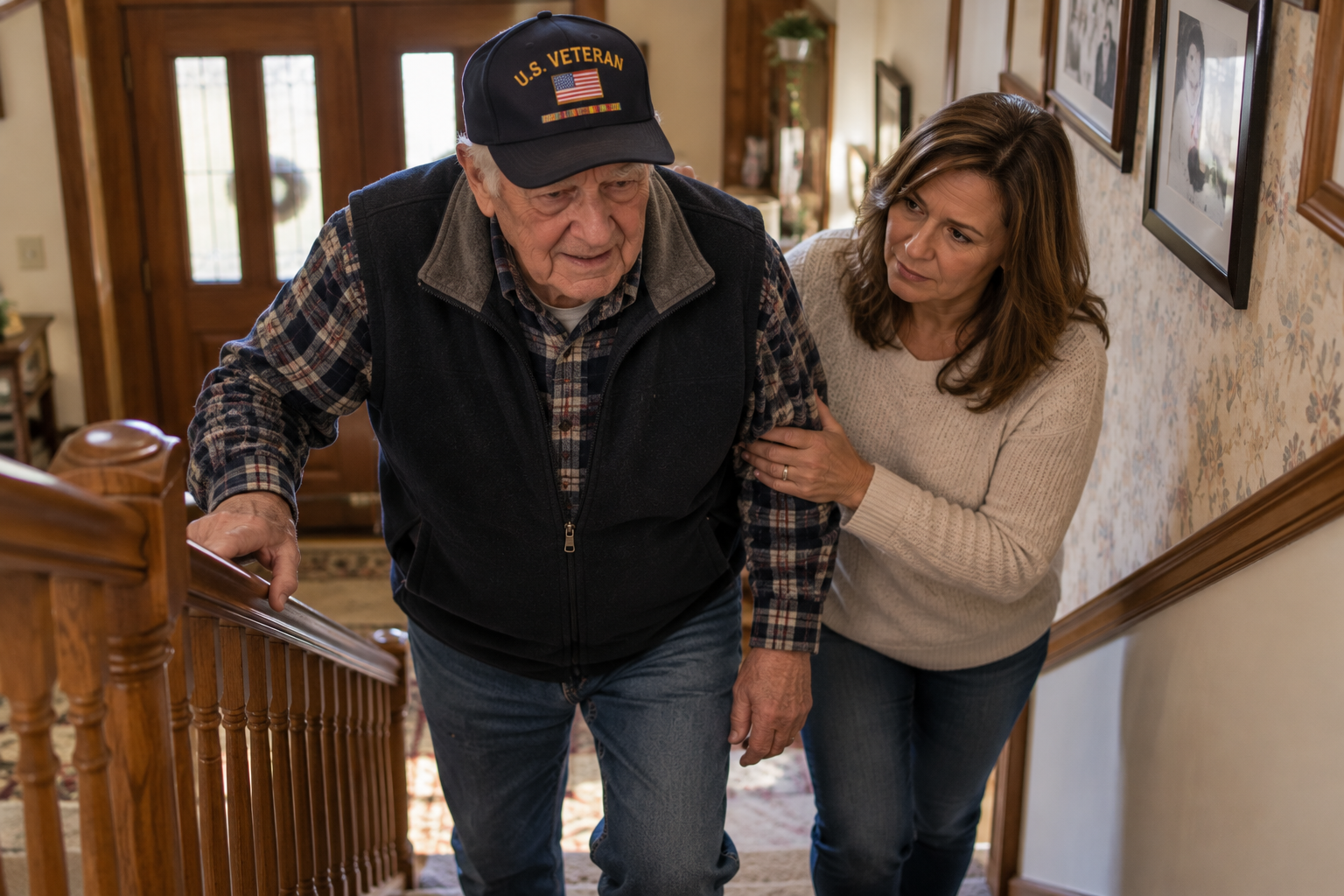
Your parent needs help now. Really needs help. Getting them up. Getting them washed. Getting them to appointments. Getting them medications on time. The physical work is exhausting, but the emotional weight is crushing.
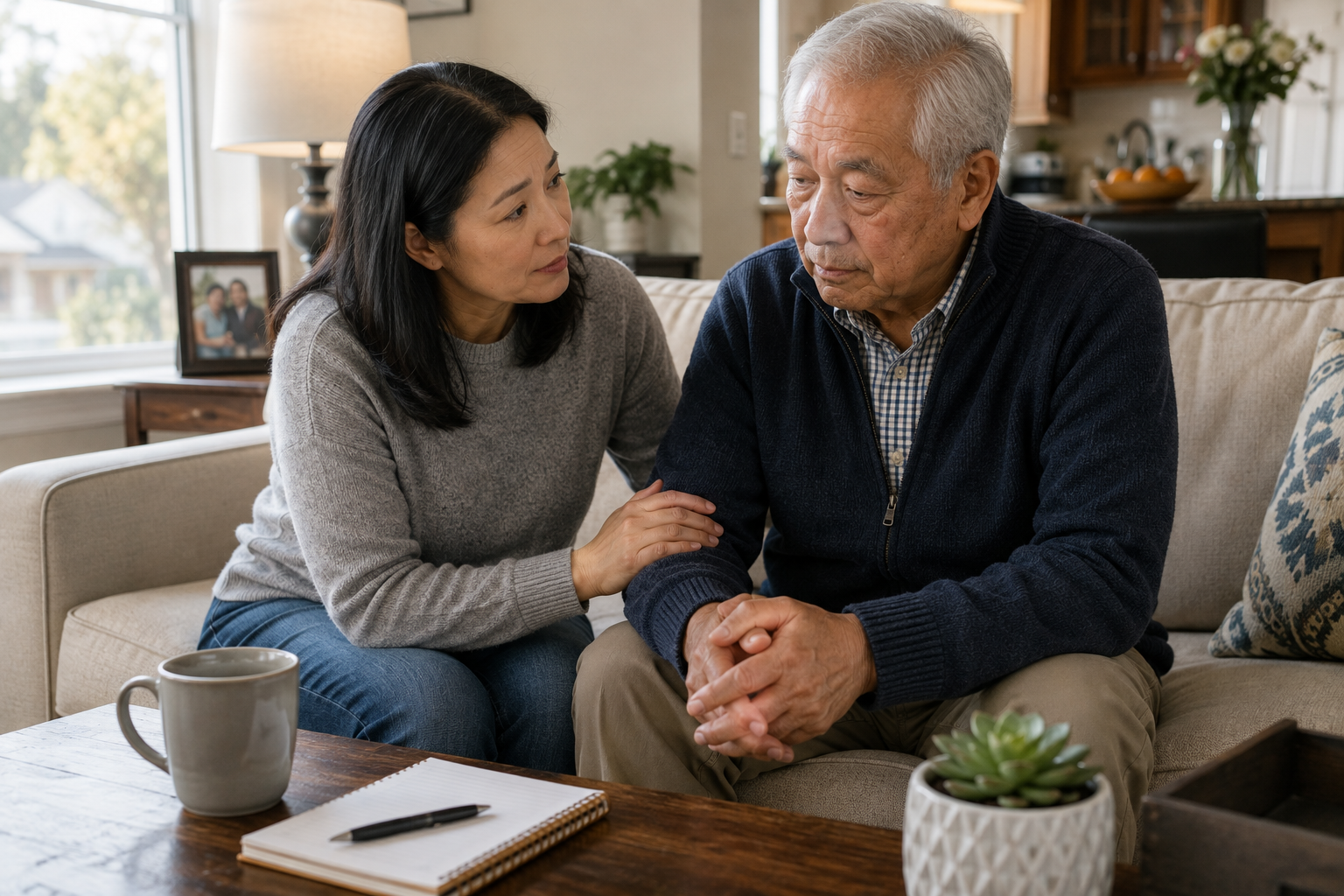
You’re watching your parent decline. You’re grieving the person they were. You’re stressed about the person they’re becoming. You might feel anger mixed in—anger at the situation, anger at siblings who aren’t helping equally, anger at yourself for feeling angry. That’s all normal, even though it doesn’t feel normal.
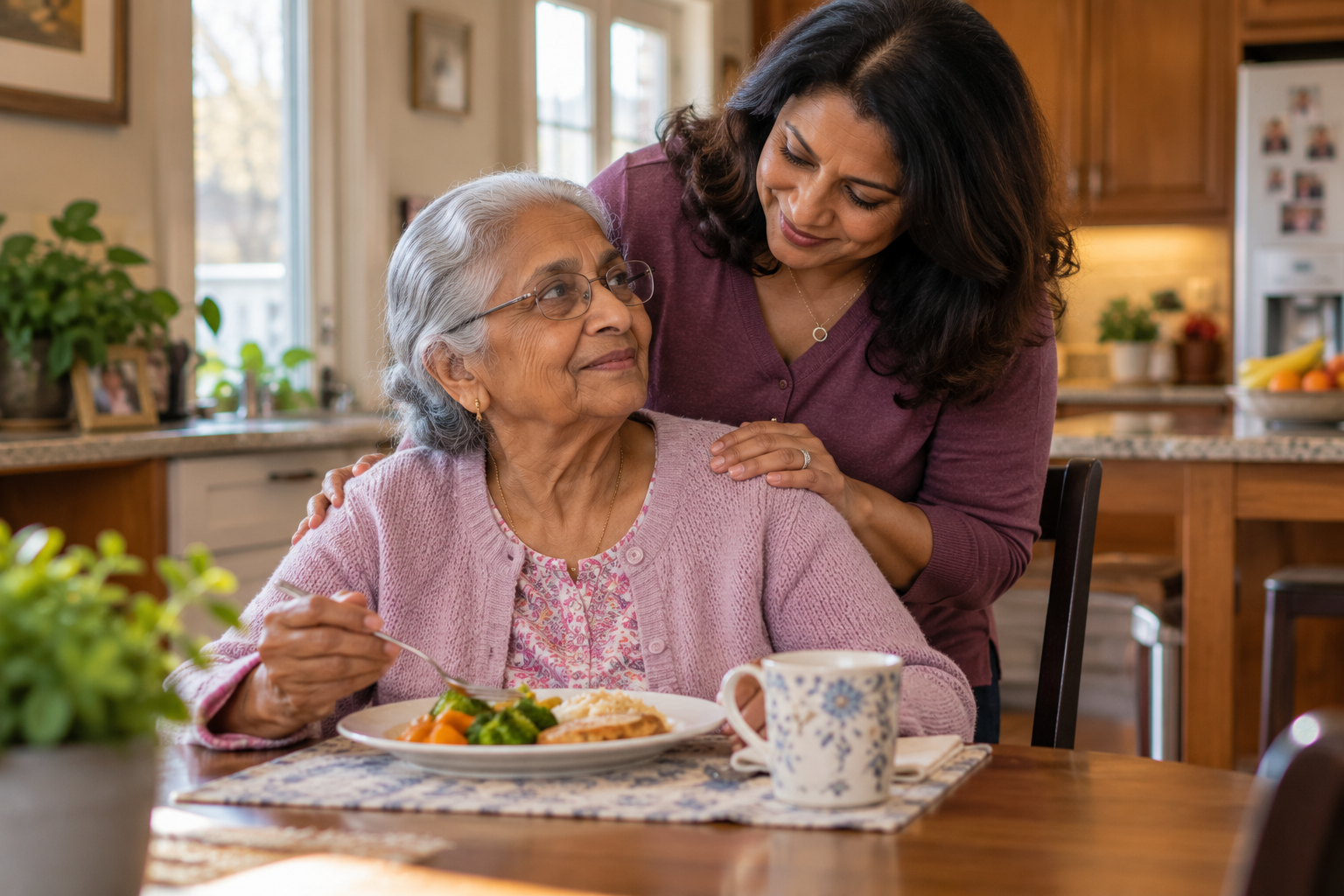
This is exactly where many Southwestern PA families realize they need support. Professional in-home care in Southwestern PA can handle the physical demands—the personal care, mobility support, medication management—so you can step back from the physical exhaustion while staying emotionally present with your parent. That shift changes everything.
The Family Tension You Didn’t Expect
And then there’s the family dynamics piece nobody talks about. If you have siblings, are they helping equally? Probably not. Are they understanding what you’re going through? Likely not as much as they could be. Maybe they’re saying things like “well, you live closer” or “I’m sure it’s not that bad” when it absolutely is.
If you have a partner, they might be supportive, but even supportive partners often don’t fully grasp what caregiving demands look like until they’re living it. The tension this creates—between your loyalty to your parent and your needs in other relationships—is real and often unsupported.
Sunny Days In-Home Care in Southwestern PA works with families to bridge this gap. When professional caregivers are involved, siblings see tangible evidence that something needs to be done. Partners understand the scope of the work better. And you don’t have to be the sole person carrying everything.
The Money Side of Everything
Your parent’s healthcare costs are climbing. Medications. Medical equipment. Doctor visits. Maybe home modifications. Maybe you’re helping cover costs you didn’t anticipate. The financial stress compounds the emotional and physical stress, and suddenly you’re lying awake worrying about money too.
AARP has solid resources on understanding Medicaid, Medicare, long-term care insurance options, and VA benefits if your parent served. Getting informed early means you’re making decisions from education, not panic.
When Dementia or Decline Happens Faster Than You Expected
Sometimes your parent’s decline accelerates faster than you thought it would. Memory loss. Behavioral changes. Confusion. If your parent is experiencing dementia or cognitive decline, the caregiving reality becomes even more complex. The Alzheimer’s Association offers support specifically for families navigating this, but the truth is that professional dementia-trained caregivers make a real difference in what your daily life looks like.
So What Actually Changes Things?
Here’s the hard truth: you can’t keep doing this alone. Not because you’re weak or failing—but because the system isn’t designed for one person to carry it. You need actual support, not just sympathy.
If you’re in Southwestern PA—Pittsburgh, Washington, Canonsburg, Greensburg, Uniontown, or the surrounding Allegheny, Washington, Westmoreland, Fayette, Greene, and other counties—real support is available:
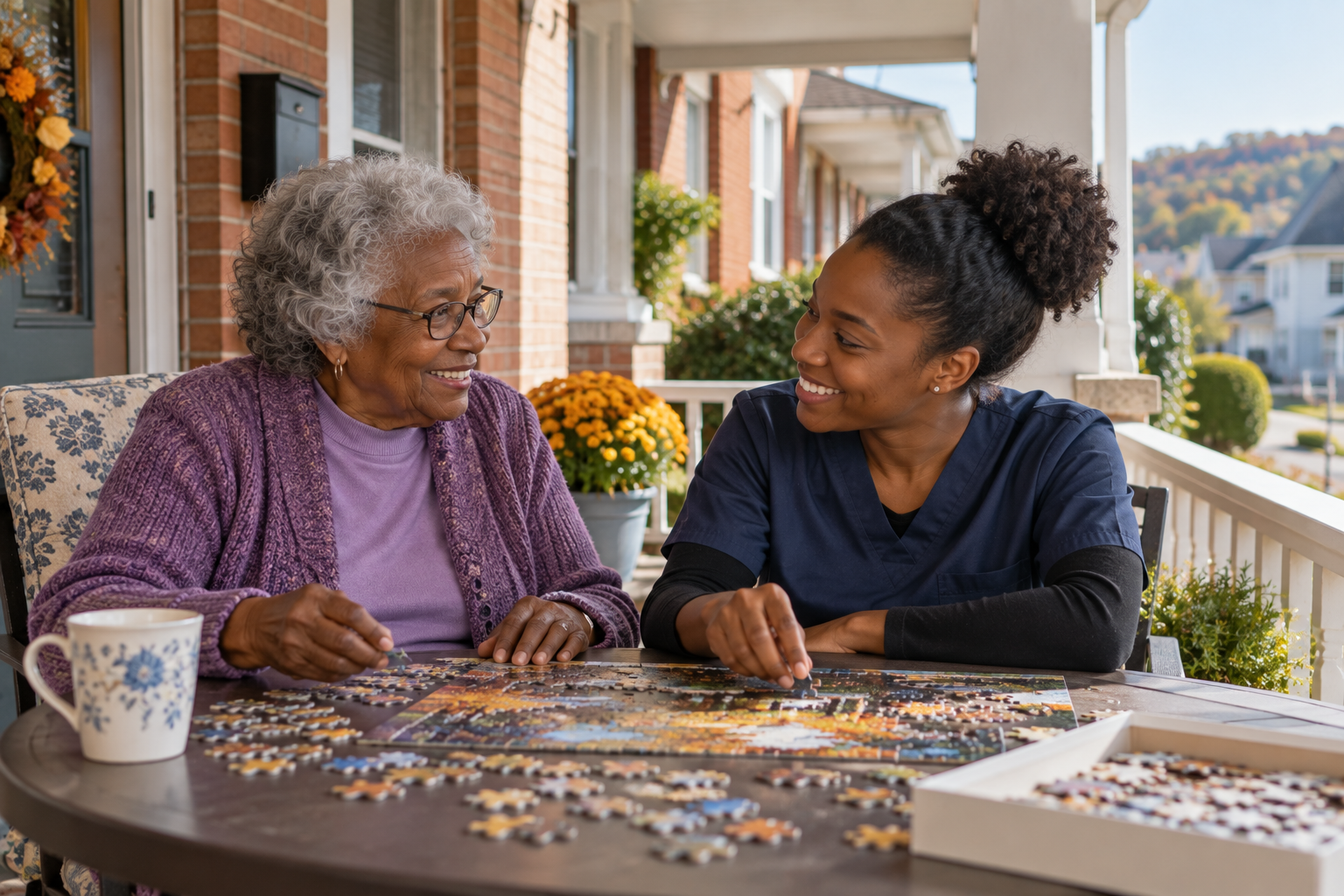
- In-home caregivers: Professional caregivers handle the physical care—personal hygiene, mobility, medication management, companionship—so you can step back from burnout. Sunny Days caregivers in Southwestern PA understand partnership caregiving; they’re there to support your parent, not replace you.
- Support groups: Connecting with other adult children caregivers—people navigating the same impossible balance—can be transformative. Family Caregiver Alliance can help you find groups in your area.
- Respite care: Professional caregivers take over for a few hours or days so you can actually rest, work without interruption, or just remember what it feels like to be a person outside of caregiving.
- Adult day programs: Your parent gets socialization and structured activity. You get breathing room.
Professional Care Isn’t About Giving Up
This is crucial: bringing in professional caregivers isn’t you giving up or failing. It’s you making a realistic choice about what’s sustainable. Professional caregivers handle the physical and daily care demands. You stay present for the relationship—the conversations, the memories, the emotional connection that actually matters.
That balance is often what families need to make caregiving sustainable over months or years instead of burning out in weeks.
Taking the First Step
If you’re reading this, you’re probably at a breaking point. You’re probably wondering if there’s actually a way forward that doesn’t involve you falling apart. There is. Not because caregiving becomes easy, but because you don’t have to carry all of it by yourself.
Whether you need full-time support or just occasional respite, exploring in-home care services in Southwestern PA might be the breakthrough your family needs right now.