You Left for Opportunity. Now Your Parent Needs You in the WV Panhandle.
You left because you needed to. Better jobs. Better schools for your kids. A different life than what the WV Panhandle offered.
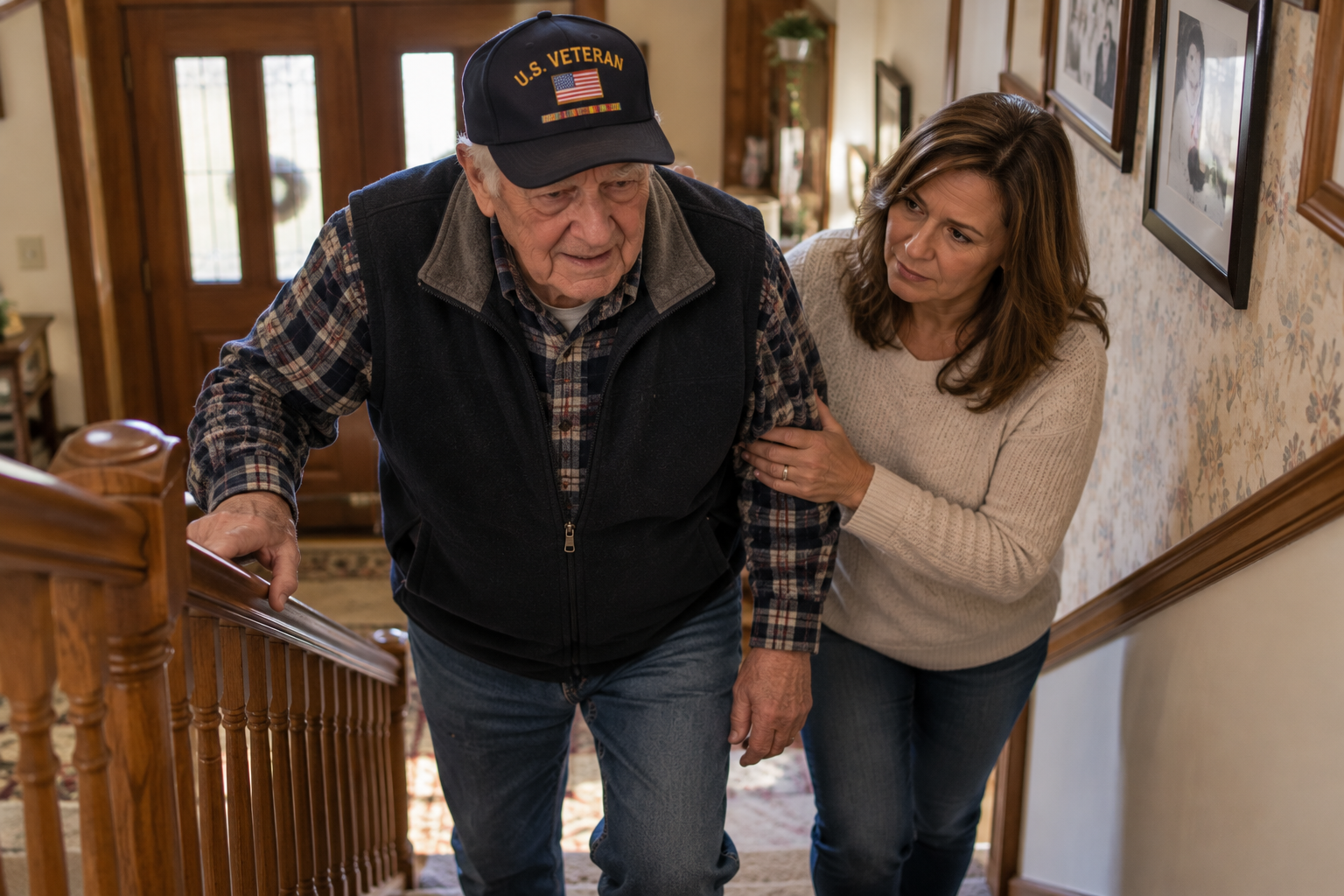
And then your parent got sick. Or old. Or just couldn’t manage alone anymore. And suddenly you’re managing their care from three states away.
If you’re an adult child from Wheeling, Weirton, Moundsville, Follansbee, Chester, or anywhere across Hancock, Brooke, Ohio, Marshall, or Wetzel counties in West Virginia’s Northern Panhandle, you might be living this reality right now. Caregiver Action Network reports that over 53 million Americans are unpaid family caregivers, but the guilt of being the one who “left” adds another layer. Understanding the challenges of elderly parent care helps you understand that long-distance caregiving is a legitimate struggle—and it’s not your fault.
The Guilt of Being the One Who Left
Maybe you felt like you had to leave. Maybe you felt guilty for wanting to leave.
Now that your parent needs help, that guilt is back. And it’s louder. You wonder if you should move back. You wonder if you’re a bad daughter or son for not being there in person.
You’re Managing Everything From Afar
You’re coordinating doctor appointments by phone. You’re worrying about whether your parent took their medications.
You’re trying to arrange help while working your job. You’re managing your own family. And you’re watching your parent’s independence slip away through video calls and monthly visits.
The Phone Calls That Terrify You
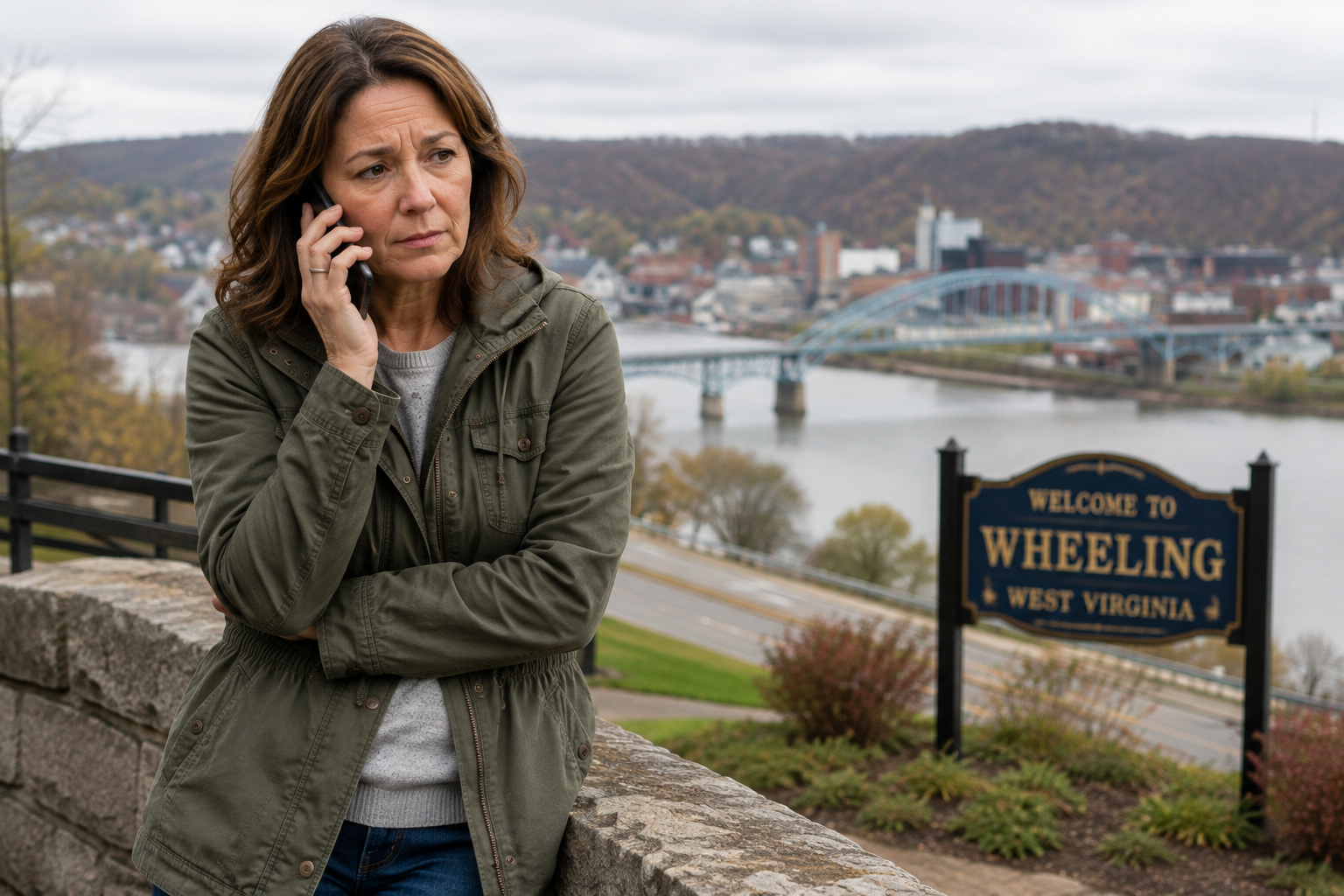
Your parent calls saying they fell. Your parent calls saying they can’t remember if they ate. Your parent calls at 3 a.m. worried about something.
And you’re four hours away. Or ten hours away. Or more.
Family Caregiver Alliance found that long-distance caregivers experience higher levels of stress and anxiety than co-residing caregivers. The helplessness is real.
Finding Quality Care in Your Hometown
The problem is that you don’t live there anymore. You don’t know which facilities are trustworthy. You can’t drop by to check in.
You need caregivers you can trust completely because you can’t supervise day-to-day. That’s harder to find when you’re not present.
The Financial Side of Long-Distance Caregiving
You’re paying for travel back and forth. You’re probably helping cover your parent’s costs. Maybe you’re paying for professional caregivers because you can’t be there.
AARP has resources on financial planning for long-distance elder care, but knowing your options doesn’t ease the weight of the actual costs.
When Dementia or Serious Decline Hits
If your parent is experiencing cognitive decline or dementia, the stakes get higher. You can’t monitor their safety or their medications from out of state.
The Alzheimer’s Association has resources for long-distance dementia caregiving, but there’s no substitute for being physically present—which is exactly what you can’t do.
The Solution Long-Distance Caregivers Often Miss
You’ve been trying to do this alone. Coordinating from afar. Making constant trips home. Staying up late worrying.
But there’s actually a solution that changes everything. Professional caregivers in the WV Panhandle can be your eyes and ears in your hometown. They can manage your parent’s daily care, medications, appointments, and safety while you manage everything from where you are.
Local Caregivers Who Know the Community
The key is finding caregivers who are already there. Who know Wheeling, Weirton, or wherever your parent lives. Who understand the community.
That’s what makes long-distance caregiving actually work. Instead of trying to coordinate from afar with unknown facilities, you have consistent, trained caregivers your parent knows and trusts.
What This Actually Looks Like
Professional caregivers handle your parent’s personal care, medication management, appointments, and daily routines. You get regular updates. You stop worrying about whether they forgot to eat or if they fell and no one knows.
You can still be involved. You can still visit. But you’re not carrying the weight of trying to manage everything alone from distance.
Respite Care and Companionship
If your parent has dementia or cognitive decline, professional caregivers trained in that care provide both supervision and meaningful companionship. Your parent isn’t isolated. You’re not panicking.
Permission to Stop Feeling Guilty
You left the WV Panhandle because you needed to. That wasn’t selfish. That was taking care of yourself.
And you can still take care of your parent. Just not alone. Not from 500 miles away. Not by sacrificing your own life.
Taking Back Control
If you’re managing aging parent care from a distance, you don’t have to keep doing it this way. Professional support in your parent’s hometown means you can actually breathe.
Whether you need full-time caregiving or occasional support, exploring in-home care options in the WV Panhandle—in Wheeling, Weirton, or your parent’s community—might be the breakthrough that lets you be a good daughter or son without sacrificing your own life.