
Though most people associate flu season with October and peaks between the coldest months of the year, the common cold simply doesn’t follow a schedule. And with Pittsburgh’s cooler weather settling in, your senior loved ones are especially prone to these two illnesses as their immune system naturally becomes less effective. So, if you’ve been meaning to introduce a few healthy habits into their daily routine at home, now is the perfect time to do so.
Here, we’ll provide you with senior care during flu season tips to help reduce the risk of catching one, or what to do if, unfortunately, your loved ones already have one.
Why Are Seniors More Vulnerable During Cold and Flu Season?
Changes in the Immune System
It’s only natural for changes to occur in the body when people age; the immune system is one of them. Over time, the system that quietly fights the “unseen battles” becomes less effective at defending the body against viruses and bacteria. You may only notice this change when your older loved ones seem to catch every cold or flu that’s going around and take longer to recover from one.
Chronic Health Conditions
Many also live with one or more chronic health conditions that make it harder for the system to fight off infections, like diabetes, chronic lung disease, heart disease, or kidney disease. Even a common cold or flu that may easily be better in a couple of days can become more complicated, risking serious complications.
Higher Risk of Complications
A weaker immune system plus chronic comorbidities equals high risk of complications. These complications can include pneumonia, dehydration, worsening of chronic diseases, and catastrophic respiratory failure, all of which require hospitalization and close monitoring by doctors and other healthcare professionals.
Tip #1: Encourage Good Hand Hygiene
Frequent Handwashing 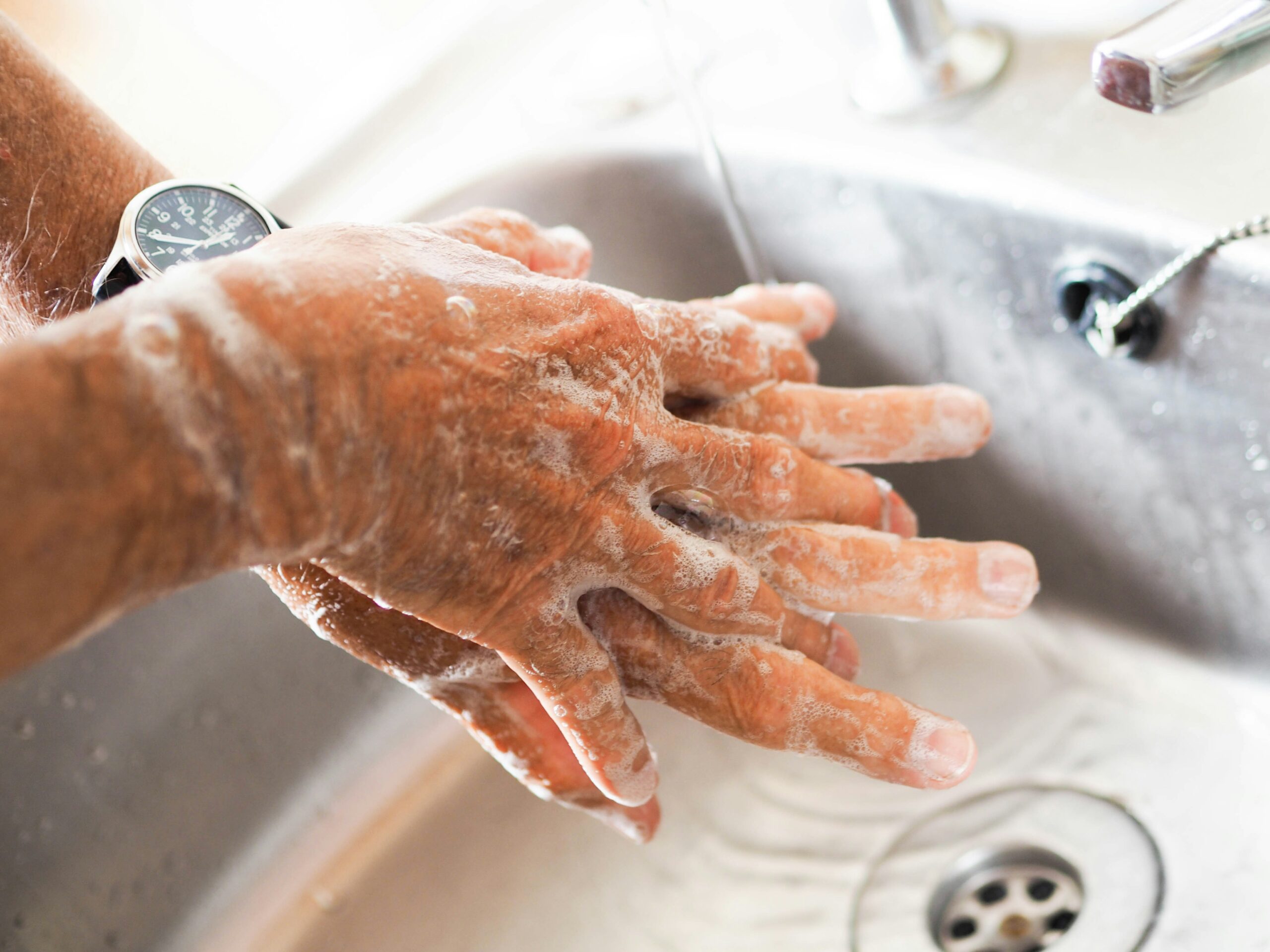
Just as the COVID-19 pandemic taught us, our senior care during flu season also includes frequent handwashing. Germs easily spread through the hands during everyday activities, whether it’s touching doorknobs, shopping carts, or other frequently touched surfaces. So, encourage your loved one to wash their hands with soap and running water for at least 20 seconds regularly.
Use Hand Sanitizer When Necessary
If hand washing isn’t possible, hand sanitizer is the next best alternative. Keeping an alcohol-based hand sanitizer within easy reach, in a purse, car, or by the front door, can make cold and flu prevention easier when on the go or away from a sink. However, one thing should be remembered: sanitizer doesn’t replace proper handwashing, so always encourage your loved ones to do regular handwashing once they have the chance.
Reduce Germs Around the Home
Our next senior care during flu season is a no-brainer: keeping your loved ones’ home clean. Regularly disinfecting the house, especially surfaces that are regularly touched and common spaces everyone uses, can reduce the amount of germs lingering at their home. It’s also important to wash frequently used items, such as blankets, towels, and bed linens, as well as less frequently cleaned items like curtains, which can also harbor germs.
Tip #2: Stay Up to Date on Recommended Vaccinations
Annual Flu Vaccine
Vaccines are especially important for vulnerable populations, like kids and older adults. While the vaccine can’t guarantee your loved one won’t catch the flu, it can greatly reduce the risk of severe illness and flu-related complications. Just remember to get the latest recommendation based on the strains expected to circulate since the flu virus changes from year to year.
Other Recommended Vaccines
An annual flu shot is no doubt essential, but not the only vaccine you should stay up to date on for senior care during flu season. Depending on your beloved seniors’ health conditions, age, and vaccination history, healthcare providers may also recommend other vaccines, such as the pneumococcal or RSV vaccine.
Talk With a Healthcare Provider
At the end of the day, everyone has their own needs. Hence, always consult your loved ones’ doctor before taking any shots. Even if everyone else seems to take the popular vaccine, their doctor is the only one who can review their medical history, existing health conditions, and vaccination record to determine which vaccines are most appropriate.
Tip #3: Support a Healthy Immune System
Eat a Nutritious Diet
There’s no substitute for a healthy, well-balanced diet when it comes to senior care during flu season. Fruits, vegetables, whole grains, and lean meat provide the protein, vitamins, minerals, and other nutrients your senior loved one needs to maintain their overall health and immune function. As for supplements, they can be a helpful complement—but they should never replace nutritious meals.
Stay Hydrated 
Staying hydrated is just as important yet may be forgotten with colder weather. Drinking enough water helps the body function properly and supports the immune system, which can help prevent cold and flu in the first place. If, unfortunately, cold or flu is already there, drinking water can help loosen mucus and improve symptoms. So, encourage your beloved aging seniors to drink regularly even if they don’t feel thirsty.
Prioritize Sleep
Don’t underestimate the power of sleep. A good night’s sleep gives your body time to rest, recover, and strengthen the immune system. The goal is to get 7-9 hours of sleep every night. Sadly, a lot of seniors have trouble sleeping at night for reasons like insomnia, which can be helped a great deal by following simple senior sleep tips and a bedtime routine.
Stay Physically Active
Being physically active supports the body beyond physical strength. Even a simple daily walk gets the blood flowing and helps immune cells throughout the body where they’re needed the most, while some sunshine helps the body produce vitamin D. On top of that, exercise releases the body’s ‘feel-good’ hormones that help reduce stress and eventually have a positive effect on immune health.
Tip #4: Keep the Home Clean and Comfortable
Maintain Good Indoor Air Quality
Since the weather outside may feel chillier, maintaining good indoor air quality is extremely crucial to make staying home safe for your loved ones. You can do this by opening windows to let fresh air circulate and regularly tidying to remove harmful particles, including the virus itself. You may also consider using an air purifier to help improve indoor air quality—just don’t forget to clean or replace the filters regularly.
Clean Frequently Touched Surfaces
Don’t skip this particular senior care during flu season step just because your loved one stays at home most of the time. Family members, caregivers, visitors—even you—can unknowingly bring germs into the house. Regularly clean and disinfect frequently touched surfaces like doorknobs, light switches, remote controls, and countertops to help reduce the spread of illness.
Keep a Comfortable Indoor Temperature
To make home feel more comfortable during colder months while preventing cold-related health issues, adjust the indoor temperature to a warm, consistent level. If needed, you can also provide your beloved seniors with extra blankets in the living area and remind them to dress in warm layers instead of relying solely on space heaters.
Tip #5: Watch for Early Signs of Illness
Common Cold and Flu Symptoms
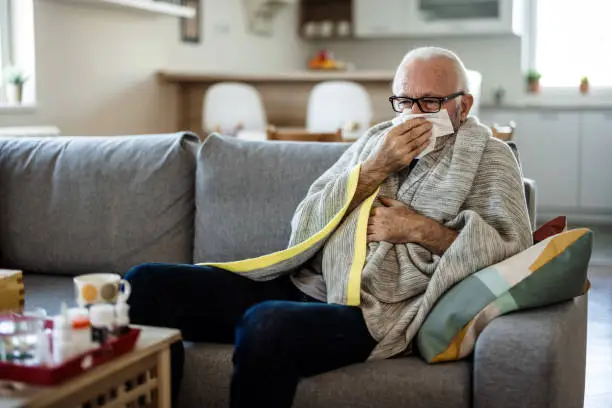
Even after you’ve tried all the senior care during flu season tips, cold or flu can still happen. What’s important is for you to recognize the early signs, such as fever, cough, sore throat, runny or stuffy nose, body aches, sudden change in energy levels, or a decreasing appetite, so that you can seek appropriate care for your loved one and prevent more serious complications.
Know When to Contact a Healthcare Provider
Don’t wait until symptoms become severe before reaching out for a medical professional’s help, especially if a persistent high fever, difficulty breathing, confusion, signs of dehydration, chest pain, or something out of the ordinary occurs. When in doubt, it’s also better to seek medical advice right away rather than guessing and risking a more serious illness or complication.
Don’t Ignore Mild Symptoms
It’s easy to brush off mild symptoms as “just a cold”. In older adults, however, that seemingly minor illness can worsen quickly with no warning whatsoever. Hence, pay attention to any small changes in your loved one’s condition because sometimes the signs may be as subtle as feeling tired more often, reduced appetite, or even changes in mood or behavior. Hence, take all these changes seriously and monitor them closely.
Tips for Family Caregivers During Flu Season
Stay Home if You’re Sick
As for you, family caregiver, one thing you can do when you’re sick is to stay home. By doing so, you limit close contact with your loved one and reduce the risk of spreading the illness to them. If you happen to live with them, rest and limit close contact as much as possible or use a mask around the house. A short delay is far better than unintentionally passing on an illness.
Encourage Healthy Habits
Sometimes, all it takes is a few words of encouragement to remind your loved one to follow all the senior care during flu season, like eating nutritious meals, staying hydrated, getting enough sleep, remaining physically active, or keeping up with good hand hygiene. If words aren’t enough, join them whenever you can because it’s often easier to stay motivated when someone is doing it with you.
Have a Care Plan Ready
Always have care in place in case of a sudden, unexpected cold or flu. Keep important phone numbers handy, make sure essential medications and supplies are well stocked, and know who can help if you’re unavailable. Being prepared can make it easier to respond quickly and give your loved one the care they need.
Ask for Help When Needed
If you’re feeling overwhelmed or feel the need to take some time for yourself, don’t hesitate to ask for help from a trusted home care provider, like Sunny Days In-Home Care, as it’s not a sign of weakness. On the contrary, it shows you care enough to make sure your loved one continues to receive the support and attention they need.
Following our senior care during flu season tips as a caregiver doesn’t mean you have to do everything on your own. Whether you need a helping hand with daily care, companionship, or extra support while your loved one recovers, Sunny Days In-Home Care is here for you.
Contact us today to learn how our compassionate caregivers can help keep your loved one safe, healthy, and comfortable throughout the cold and flu season.