
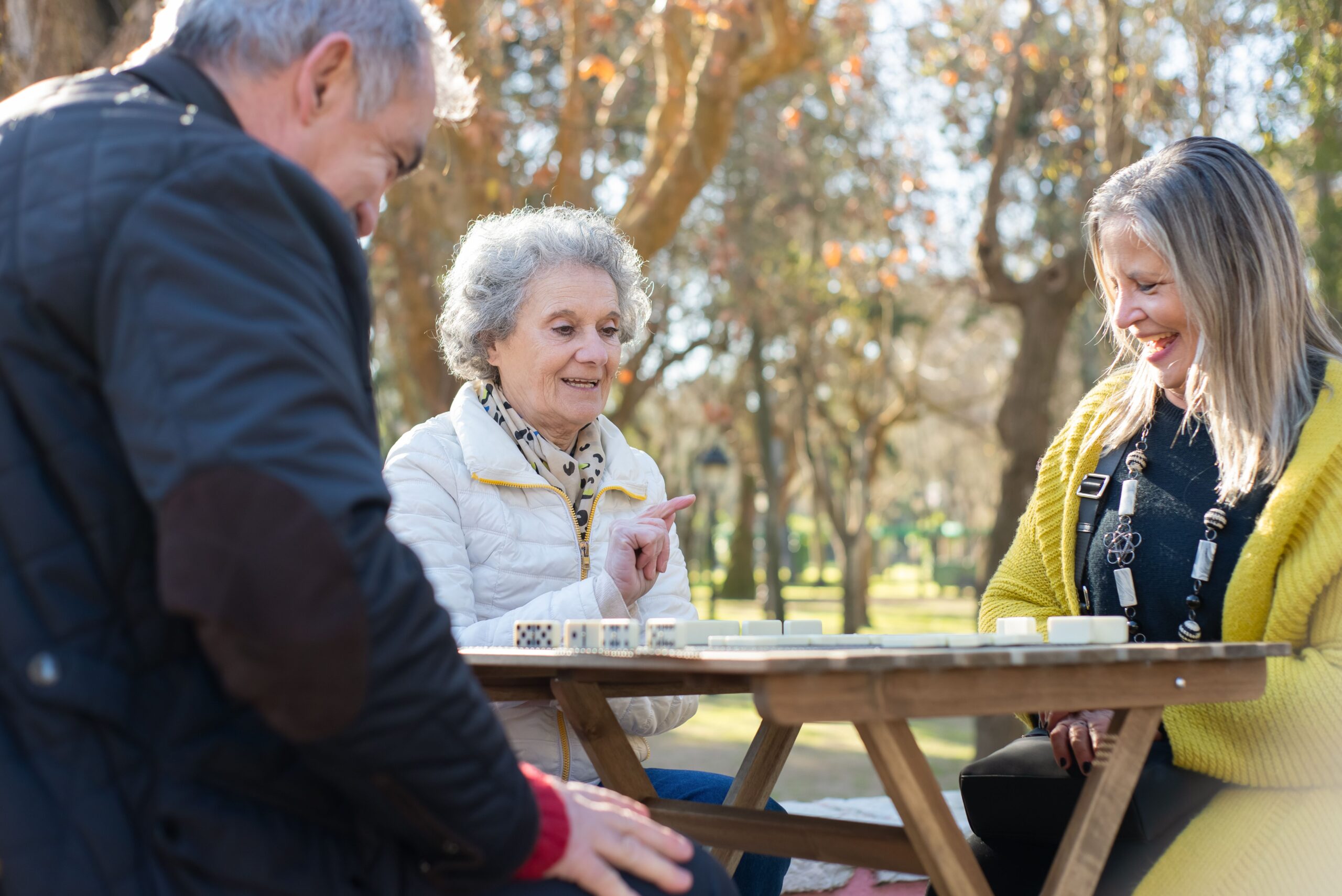
As temperatures cool and the days grow shorter in Pittsburgh, your family may need to get a little more creative when it comes to filling the day with fall activities, especially when it involves your aging loved ones. Beyond just filling the day, though, the goal is to make it fulfilling too—especially for aging loved ones who benefit from activities that keep the mind engaged and spirits lifted. Simple memory games for seniors can keep the mind and body engaged while bringing fun to everyday life.
All you need is to continue reading our article for some inspiration.
The Benefits of Memory Games for Seniors
Boosting Cognitive Health & Memory
Brain games for seniors work a lot like exercise does for the body. Just as doing exercises helps keep muscles strong, keeping the brain active through simple activities like puzzles, trivia, matching games, and card games is a great way to strengthen memory, focus, and problem-solving skills. The best part is that memory games for seniors do not have to feel like “work.” Instead, games can be a lot of fun and give seniors something to look forward to every day.
Emotional & Social Advantage
The name “game” is synonymous with fun activity, and brain games for seniors is no exception. Whether it is a family trivia night, a friendly card game, or working on a puzzle together, brain games sessions are the perfect opportunity to gather loved ones for social interaction in a relaxed and enjoyable way, creating joyful moments together along the way.
Top Brain Games for Seniors to Try This Fall
Traditional Board & Card Games
No need to find and learn new memory games for seniors. In fact, there’s a high chance you already have lying around in the house and are familiar with some of the best games for brain health. Traditional games, like Scrabble, chess, bingo, and playing card games, encourage memory, strategy, and focus while also creating opportunities for conversation and laughter.
Puzzles for Mindfulness & Focus
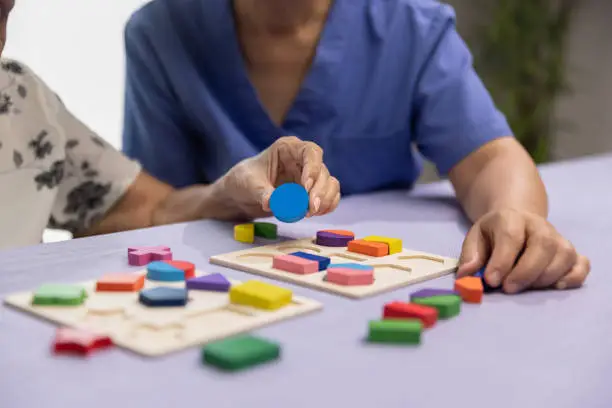
If you and your loved one are up for a relaxing time indoors, puzzles are best known for it. Some even said this game is meditative, as the brain enters a deep state of concentration while sorting colors and matching shapes, leaving no room for daily anxieties or intrusive thoughts of everyday life.
Group Memory Activities for Family Gatherings
For family gatherings, prepare an enjoyable walk down memory lane through family stories or looking through photo albums. We emphasize the ‘enjoyable’ as it can be frustrating for your aging loved one when they have trouble remembering. That said, it’s important to keep the experience relaxed and low-pressure. Instead of focusing on getting the “right” answer, focus on the stories, laughter, and moments shared.
Creative and Everyday Fall Activities for Cognitive Health
The Power of Meaningful Conversation
We can’t emphasize enough how important it is to be socially active when your loved ones age. While the games themselves help keep the brain active, the conversations and shared laughter along the way can encourage seniors to stay socially connected and mentally engaged at the same time. At the end of the day, playing memory games is not always about accomplishing a task—it is the connection and memories created along the way.
Creativity-Based Exercises
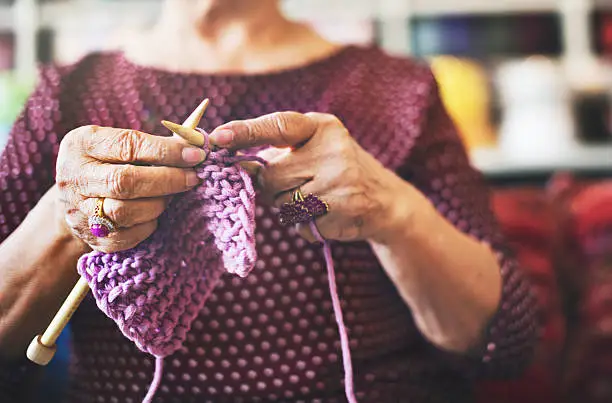
Not every brain or memory game for seniors has to involve puzzles, cards, or board games. Creative activities, like painting, scrapbooking, knitting, or crafting, offer hands-on opportunities and encourage self-expression, giving seniors a chance to share their creativity, personality, and memories in meaningful ways. Besides, these activities can be easily adapted to different interests and ability levels, making them enjoyable and accessible to everyone.
Tips for Building a Daily Brain Exercise Routine
Keep it Short & Consistent
Thankfully, brain exercises do not need to take up a huge part of the day to make a difference. Even a few minutes of a card game or puzzle each day can benefit your loved one’s mind without feeling exhausting or overwhelming at the same time. The goal is to make brain games for seniors part of everyday entertainment, something to look forward to, rather than a strict routine.
Match the Activity to the Senior
Not every activity will be the right fit for every older adult, and that’s perfectly fine. A more extroverted and outgoing loved one may enjoy competitive card games and trivia. On the contrary, seniors with quieter personalities may prefer relaxing activities like puzzles, knitting, or journaling. So pay attention to your loved one’s interests, personality, and abilities, and choose accordingly.
Manage Frustration & Encourage Participation
When your loved one shows signs of frustration while playing games, it’s your cue to slow things down. Our tip is to shift the focus from getting every answer right or completing the game to enjoying quality time together and sharing conversations. If the energy feels low, offer a little encouragement to keep going or simply take a break when needed.
How Sunny Days In-Home Care Supports Cognitive Health
Professional Companionship & Guidance
Imagine playing games all by yourself; surely it can start to feel boring and lonely after a while. Many memory games and cognitive activities become much more enjoyable when there is someone to talk to and share the experience with. That’s why having a company—especially from a professional caregiver at Sunny Days In-Home Care—can make such a meaningful difference.
With our team by your loved one’s side, you and your family can rest easy knowing your loved one’s daily life is being cared for, and their cognitive health is being maintained through proper guidance and supervision.
End Note
Keeping the mind active doesn’t have to involve complicated routines or expensive activities. Simple brain games for seniors, practiced consistently, can provide meaningful opportunities to exercise memory, encourage problem-solving, and add a little fun to the everyday routine. Activities like puzzles, trivia, card games, word games, and reminiscing can also create opportunities for seniors to connect with family members, friends, and caregivers.
As the weather cools and more time is spent indoors, fall is a great time to introduce activities that keep your loved one mentally engaged and socially connected. Having someone there to participate can make these activities even more enjoyable and help turn them into a regular part of the day.
Sunny Days In-Home Care can provide the companionship and everyday support your loved one needs to continue doing the activities they enjoy from the comfort of home. Contact our team today to learn more about our personalized in-home care services and how we can support your loved one and your family.
FAQs
How often should seniors do brain exercises, and how long should they last?
Even 10-20 minutes of brain games for seniors each day can help keep the mind active. The key is to keep activities consistent, enjoyable, and not overwhelming.
What are the best types of memory games for older adults?
Simple games like puzzles, trivia, card games, matching games, and storytelling activities are all great options. But the best one for your loved one depends on their interests and comfort level. So, pay attention.
What should I do if my elderly parent gets frustrated playing a brain game?
Slow things down and focus less on ‘getting the game right’ and more on enjoying time together. Encouragement, patience, and short breaks can help keep the experience positive and stress-free.