Just like our body, our brain needs just as much exercise to keep it ‘in shape’ as we age. But don’t be intimidated by the word exercise. Brain exercises for seniors don’t involve anything strenuous or complicated. In fact, many of them are simple, enjoyable activities that can be easily incorporated into everyday life and support a better quality of life. Even better, many activities can be shared with loved ones.
Continue reading our article to explore more about brain exercises for seniors.
What Are Brain Exercises For Seniors?
Brain exercises for seniors are activities designed to “work out” the brain. But these exercises focus on stimulating memory, attention, thinking, and problem-solving skills by keeping participants engaged, active, and challenged in a way that is attainable. Once done regularly, the stimulation will strengthen the brain’s and nerve connections and support the brain’s ability to adapt and function better day to day.
What Counts as a Brain Exercise for Seniors
No doubt that Sudoku, word games, and puzzles are often the first things that cross people’s minds when they think about brain exercises for seniors. And that’s not wrong at all. But far beyond spending time, these activities are best known for improving problem-solving skills, focus, and memory.
But what may come as a surprise is that brain exercises aren’t limited to puzzles alone. Simple, everyday activities like having meaningful conversations, learning new skills, or trying a new hobby can also challenge the brain in powerful ways. Creative activities such as drawing, writing, crafting, or playing music stimulate different areas of the mind while providing enjoyment and a sense of accomplishment.

Are Brain Exercises Only For Seniors With Memory Problems?
Definitely not. Brain exercises for seniors benefit all seniors, including those without any noticeable cognitive issues. Just as staying physically active helps maintain strength and balance, keeping the brain engaged supports mental sharpness at every stage of aging. The challenges will also encourage ongoing learning and adaptability, which are key to maintaining cognitive health over time.
Benefits Of Brain Exercises For Seniors
After reading the first part of this article, you must have gotten the idea of how brain exercises for seniors can benefit focus, attention, and also improve memory and recall. If your beloved seniors want to maintain independence, these improved abilities are crucial to help them gain confidence when facing daily life challenges and unfamiliar situations.
On top of that, completing a challenge, whether it’s finishing a puzzle or learning something new, creates a sense of achievement that can feel very rewarding. Some activities can also be done together with loved ones, which encourages meaningful connection and reduces feelings of loneliness or boredom.
How Often Should Seniors Do Brain Exercises to See Benefits?
Even though there’s no strict rule about brain exercise for seniors, our tip is to do it daily. Making exercises, like playing memory games or having meaningful conversations, a daily habit, even for a short period each day, can make a difference. The key is to choose activities that are enjoyable and sustainable, making brain exercises a natural part of everyday life rather than a chore.
Best Brain Exercises for Seniors To Try At Home
Memory-Based Brain Exercises
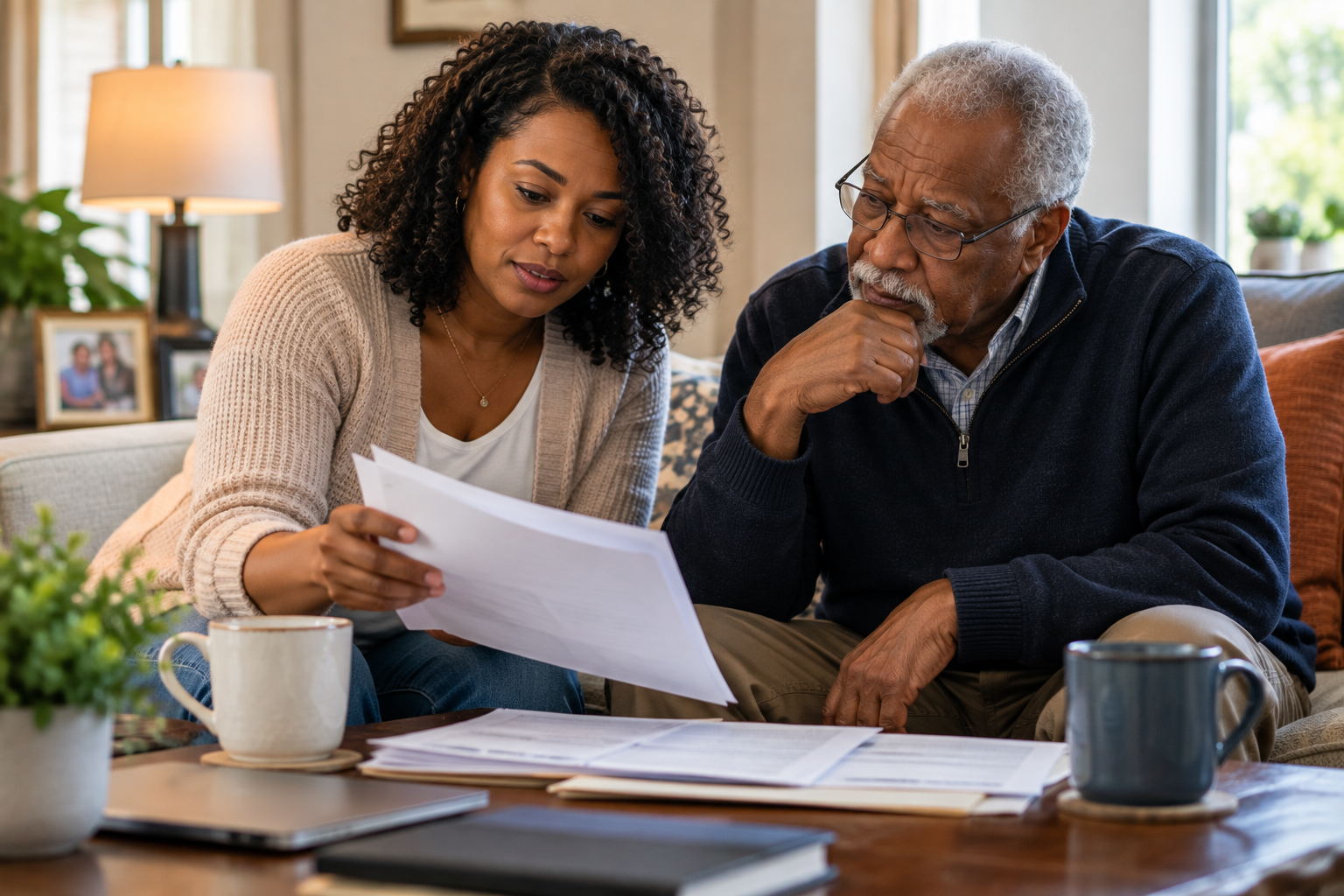
The easiest and simplest thing you can encourage your loved ones to do is to recall things. For example, recall the grocery lists needed before going to the supermarket or to-do lists. Another great and sentimental way to challenge recall is through looking at photo albums and sharing memories with family members. Even practicing remembering names, dates, and places can gently train the brain.
However, remember not to pressure your loved ones. Pushing too hard can lead to frustration, especially if your loved one is struggling with conditions like Alzheimer’s and Dementia.
 Problem-Solving & Logic Activities
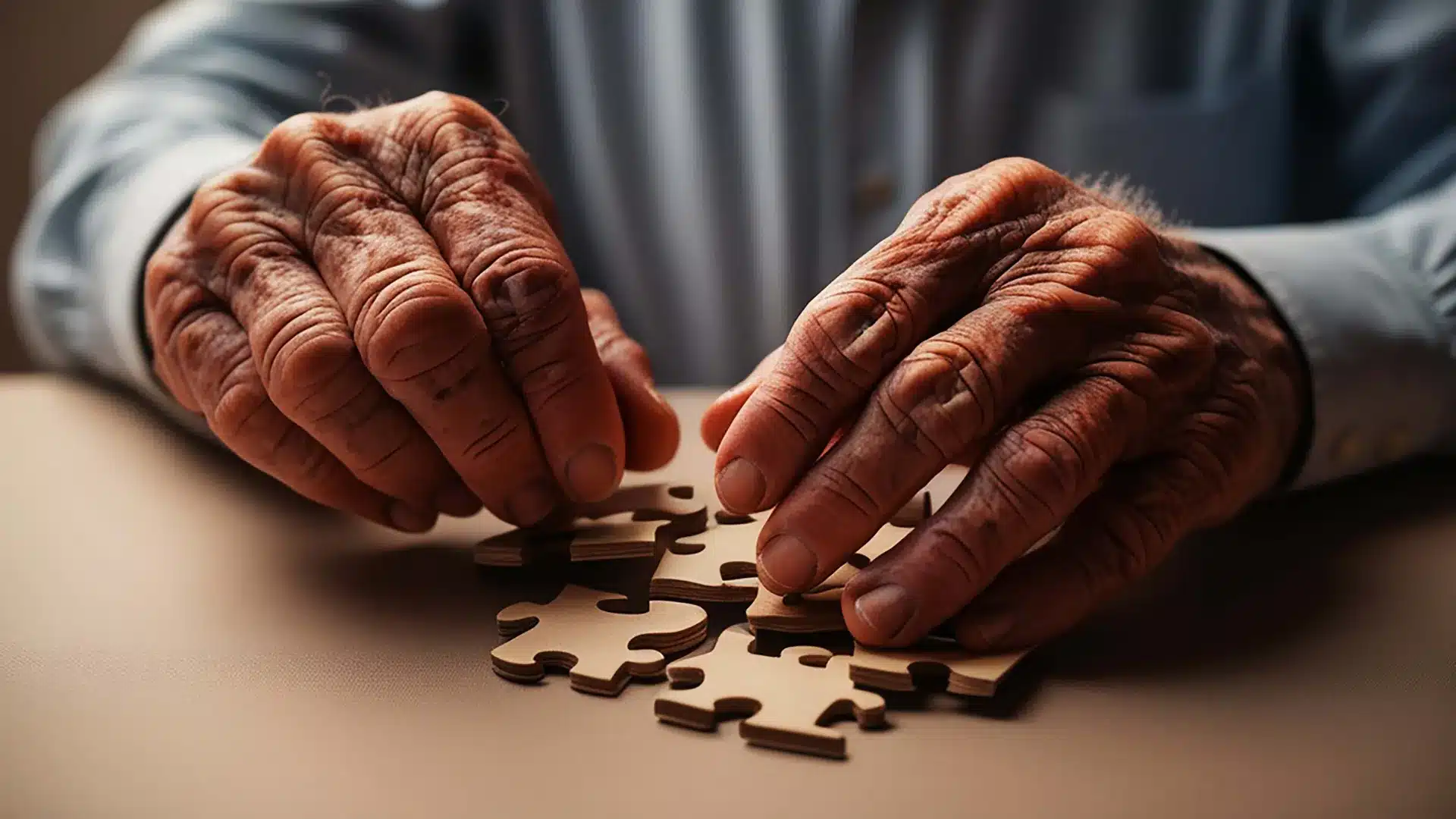
To practice analyzing new information, making decisions, and finding solutions in a calm and enjoyable way, you can encourage your beloved seniors to try well-known games such as jigsaw puzzles, Sudoku, or word searches. Playing strategy-based card or board games can also add more fun and bring family and loved ones together. These activities offer a safe and fulfilling way to stay mentally active at home during the cold.
Language & Communication Exercises
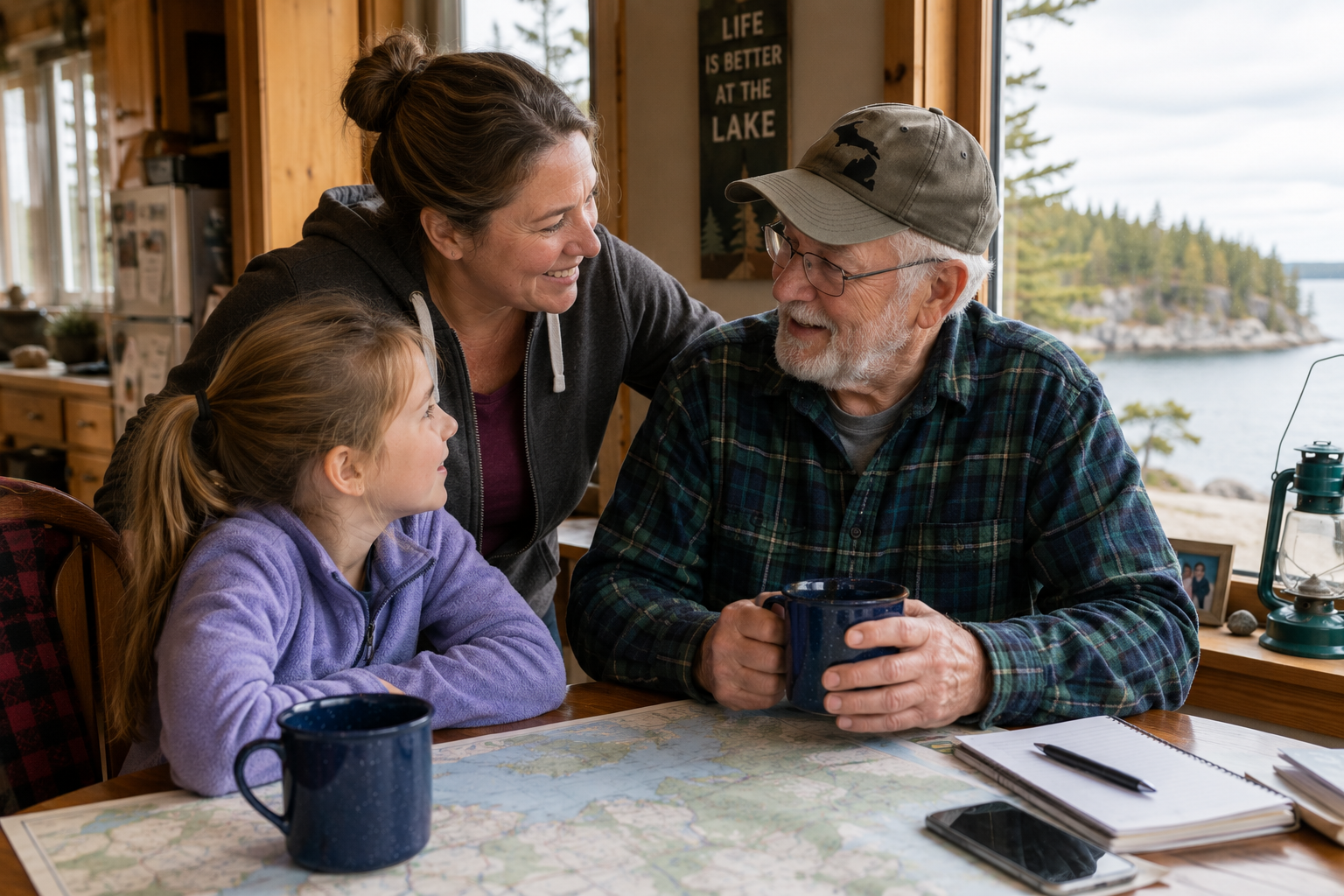
Meaningful conversations with family, friends, or even caregivers are just as valuable, as they stimulate listening skills and comprehension. If you want to slightly level up, discussing current events and telling stories also improve information processing and thought expression. For seniors who enjoy reading, picking up a novel, short story, or poem is another great way to stay mentally engaged.
How Does Conversation Help Senior Brain Health?
Conversation might not feel like an exercise, but it actually gives the brain a great workout. When your seniors talk to someone, their brains are trying to understand what’s being said, remember details, and organize their thoughts. All of that helps keep important thinking and language skills active.
Listening helps improve focus and attention, while recalling names, stories, or shared experiences gently works the memory. Responding in a conversation also supports verbal processing, finding the right words, expressing ideas, and staying engaged. And the best part is, it all happens naturally, without feeling forced.
Creativity-Based Exercises
Activities like drawing, painting, crafting, or even coloring can help seniors stay focused and engaged while expressing themselves. There’s no right or wrong, just the freedom to create and enjoy the moment. Music is another easy and enjoyable option. Listening to favorite songs, singing along, or playing a simple instrument stimulates memory recollection and lifts the mood.
Creating A Daily Brain Exercise Routine for Seniors
How Long Should A Brain Exercise Last?
Brain exercises for seniors don’t have to last long. Short sessions, sometimes just 10 to 15 minutes, can be enough to keep the brain active and engaged. What matters most is how often it’s done. Regular, daily mental activity has far more lasting benefits than occasional long sessions that feel exhausting.
What if a senior gets frustrated or loses interest?
It’s completely normal for your senior loved ones to feel frustrated when they can’t complete brain exercises for seniors due to declining abilities. So, once an activity starts to feel overwhelming, pause or switch to something easier. The next tip is to do something that your aging seniors are interested in, such as listening to specific music genres, playing games, and many more, so things remain enjoyable. Above all, don’t forget to celebrate every effort, not just the result itself.
 How In-Home Care Can Support Cognitive Health
Beyond helping with daily tasks, professional caregivers, like our team at Sunny Days Great Lakes, also provide companionship and gentle encouragement through conversation and company on activities. Having one around also means someone is paying attention to the exercise itself and adapting to how your loved one is feeling. When the spirit is not as high, caregivers will help keep things positive, supportive, and pressure-free.
End Note
Simple, enjoyable brain exercises for seniors, with a bit of encouragement from caregivers and loved ones, can help them feel more confident, engaged, and connected. With so many options to choose from, fun activities like games, sentimental moments like walking down memory lane, or practical tasks such as remembering grocery lists, there’s always a way to keep the brain active while making the experience meaningful and enjoyable.
If you’d like a little extra help supporting your loved one’s cognitive health, Sunny Days Great Lakes is here for you. Reach out to our team to get started.